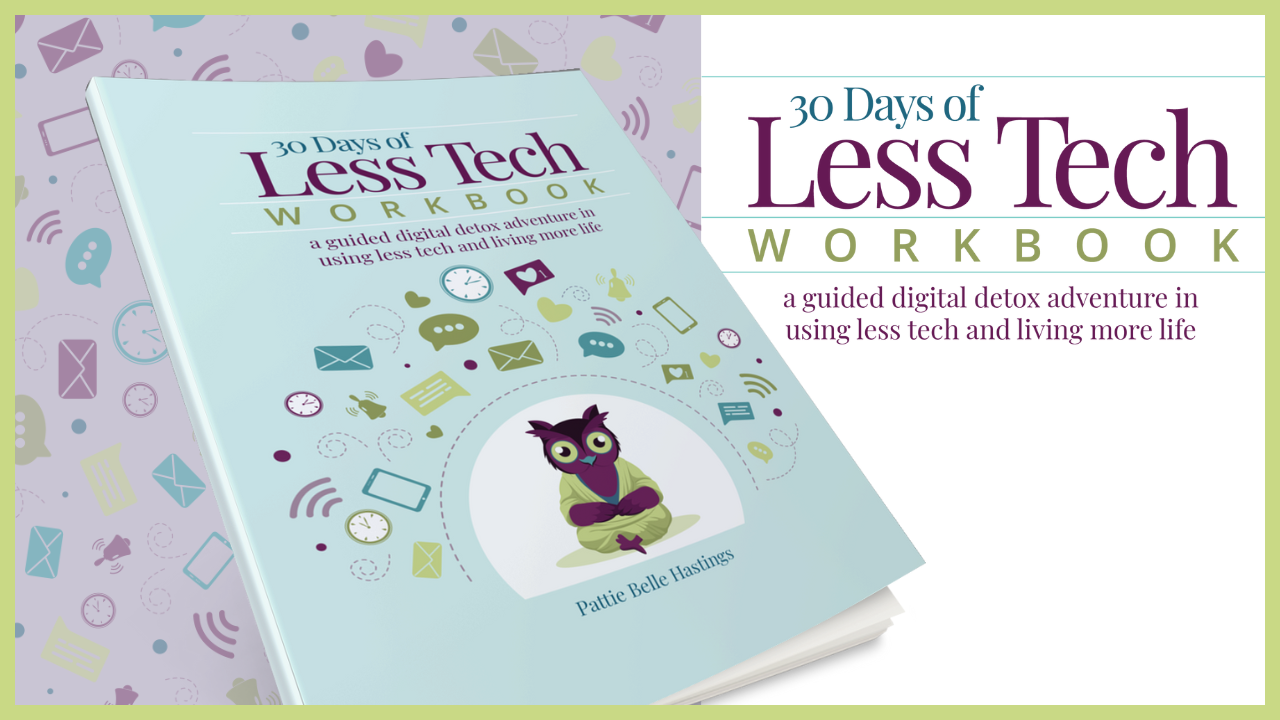
30 Days of Less Tech
a guided digital detox adventure in using less tech and living more life
Corporate Program Overview
The Big Idea
A 30-day reset that helps teams reduce digital overload and rebuild focus without banning tech or adding yet another platform or app to manage.
30 Days of Less Tech is a structured 30-day intervention for cognitive overload that restores focus, reduces burnout, and helps people work with technology more intentionally.
When your people are exhausted and overwhelmed, it rarely looks like “laziness.” It looks like meeting fatigue, constant context switching, and the nagging sense that everyone is busy… but the work that matters keeps slipping.
This is a structured, low-lift team program that restores attention, improves meeting quality, and helps your team protect deep work in a world designed to interrupt them.
A guided 30-day program for teams, departments, and cohorts
Includes: 90-min kickoff + workbook + weekly touchpoints + 90-min integration/closing
The modern workplace problem nobody can “willpower” their way out of
30 Days of Less Tech gives you a workplace-ready attention program that changes behavior at the team level where work actually happens.
Teams are doing real work inside a system that constantly fractures attention:
Meetings where people are physically present but cognitively elsewhere
Slack/Teams/email creating an always-on response expectation
Micro-distractions that quietly multiply into lost time, rework, and slower decisions
Burnout signals rising even among high performers
Creativity and initiative shrinking because there’s no uninterrupted space to think
Most organizations respond by adding tools, trackers, and productivity hacks. But overload isn’t a tool problem. It’s a habit + norms + environment problem.

Who is this for?
This program is a strong fit for:
Teams seeing overload show up as disengagement, fatigue, or increasing conflict
Cohorts focused on sustainable performance, attention, and modern work skills
Wellness departments addressing burnout signals and recovery habits
Managers who want better meetings and deeper work, not just “more output”
It’s especially useful for teams who:
communicate constantly
live in meetings
are expected to respond quickly
do complex, creative, or strategic work that requires sustained attention

What’s included
30-Day format
1) 90-minute Live Kickoff
We start with a reality-based baseline:
Pre-work Attention audit (where time and focus are leaking)
Team habit map (what triggers distraction loops)
Choose 2-3 “friction fixes” that match your culture and workflows
(meetings, messaging norms, focus blocks, notification boundaries)
2) The Workbook
Participants get a practical daily workbook with:
simple experiments that fit work days and private life
lightweight tracking (no shame, no perfectionism)
3) Support Touchpoints
Designed to keep momentum without creating new meetings:
Monday/Wednesday/Friday email prompt (this can be offered as an opt-in for participants)
midway live 60-minute AMA (ask me anything)
4) 90-minute Live Integration
During the closing, we lock in what worked:
what changed, what stuck
agreements your team keeps going forward
a “relapse plan” for busy seasons and crunch times
Fit call (20 minutes): confirm the audience, goals, ROI, and schedule
Kickoff scheduled: we choose the 30-day window
Delivery: kickoff → weekly touchpoints → closing session
Outcome summary: you get a simple before/after snapshot based on agreed measures
Most teams can launch within 2-3 weeks of scheduling.
How deployment works
What this is not
Let’s make this easy to evaluate:
Not anti-tech
Not “ban your phone”
Not another platform
Not a shame-based productivity program
Not a one-off inspiration session that disappears by Monday
This is a behavior-change container with a beginning, middle, and end, built for real workplace constraints.
Even small improvements create a meaningful return because distraction costs compound. Here’s a conservative way to think about it:
If 40 participants recover just 15 minutes a day of focused work time over the month, the program easily pays for itself, before you even count reduced rework, better decisions, or meeting improvements.
Pricing depends on the cohort size; we’ll calculate the ROI during our call. We’ll plug in:
your team size
your loaded hourly cost
your communication environment (Slack/Teams/email norms)
…and calculate a conservative ROI estimate together.
The simplest ROI
What changes in 30 days?
This isn’t a “digital detox retreat.” It’s a workplace-appropriate reset designed for real teams with real workloads. Over the 30 days, teams build:
🎯 Stronger focus habits
Less reactive checking. More intentional attention. Better follow-through.
🎯 Better meeting quality
Clearer norms, fewer unnecessary pings, and improved decision capture.
🎯 Healthier communication boundaries
Shared expectations around response time, notifications, and “urgent vs. important.”
🎯 More deep work time
Protected focus blocks that make complex work possible again.
And because this is built as a structured container (not a motivational talk), the changes are easier to sustain.
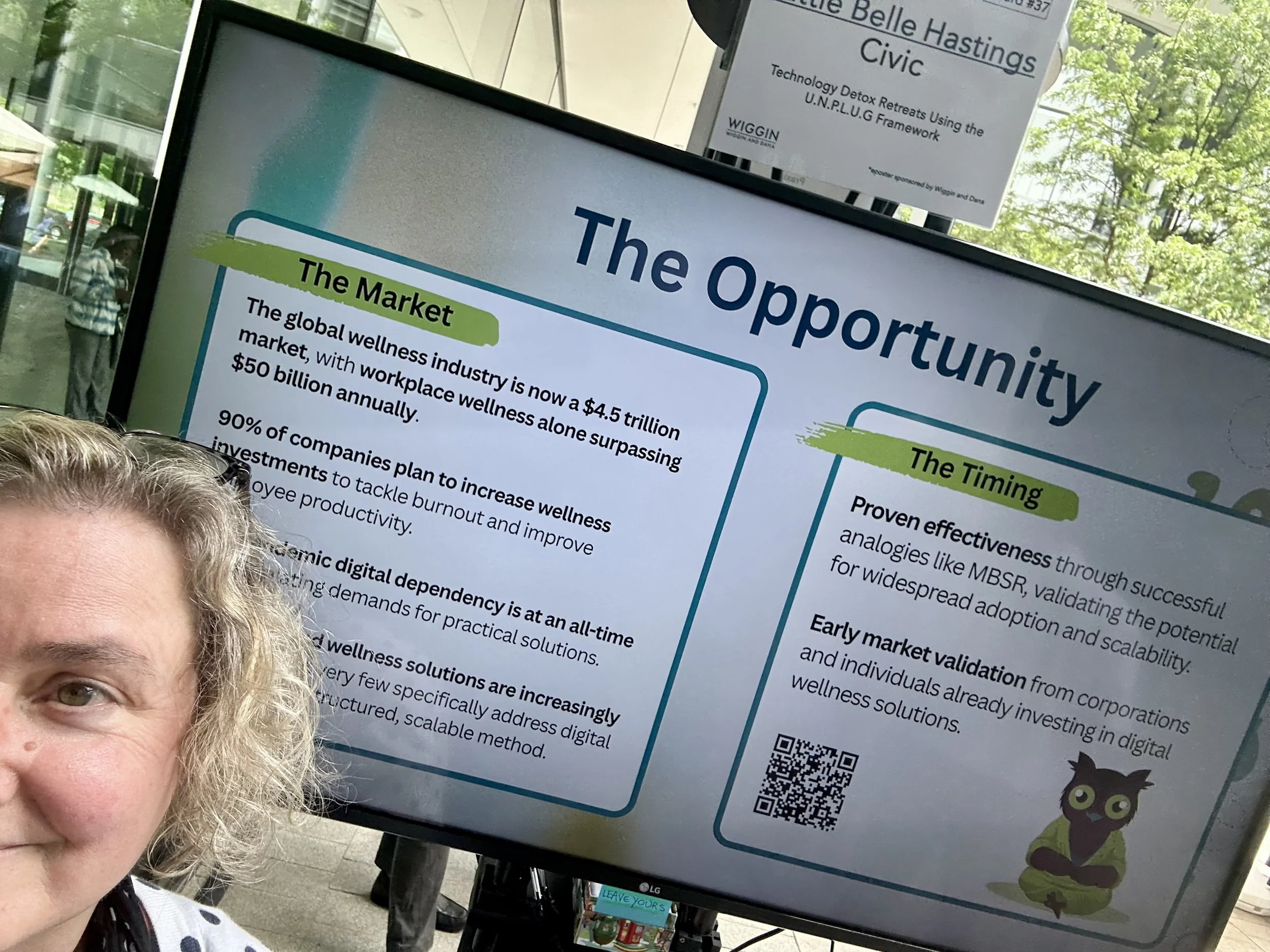
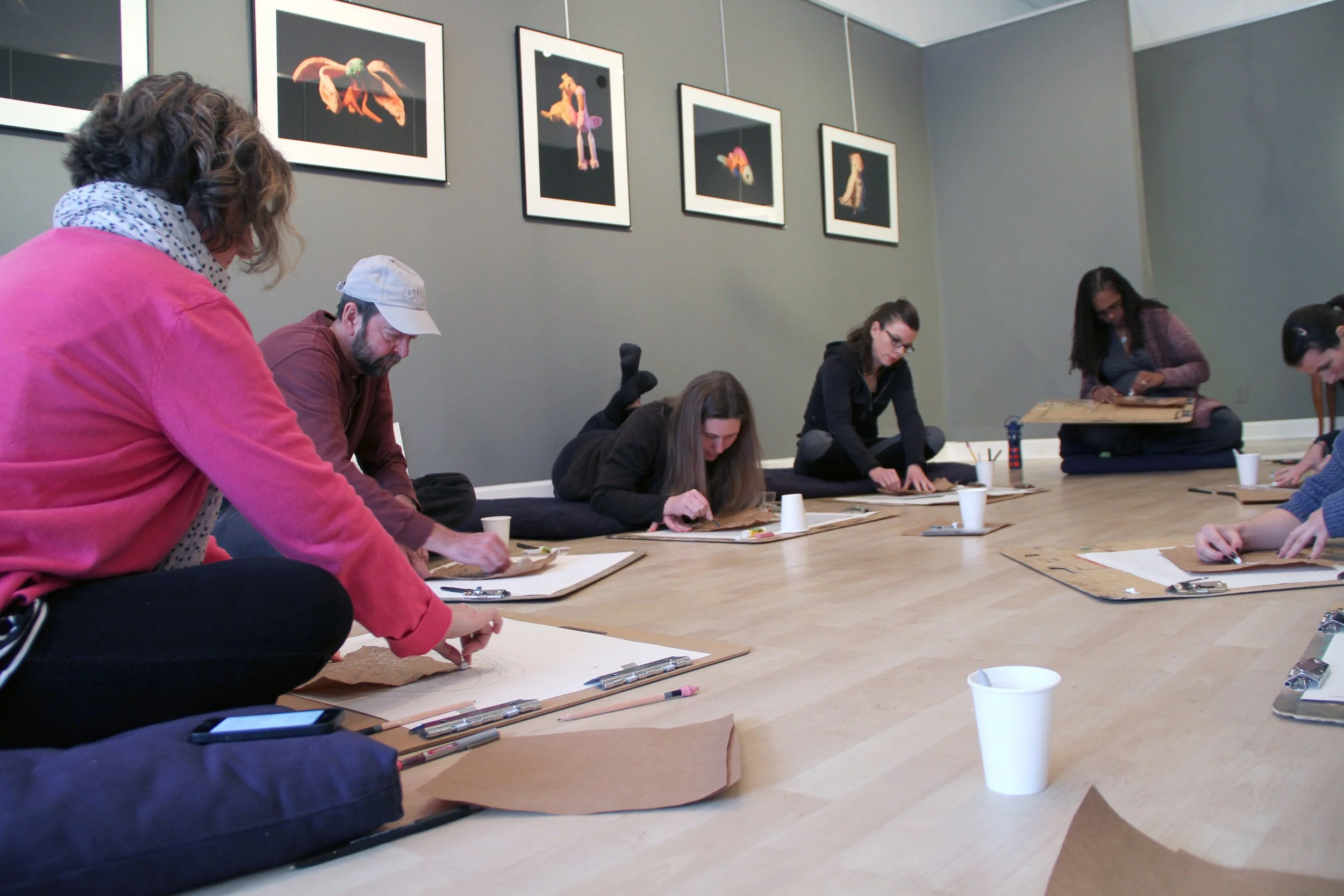
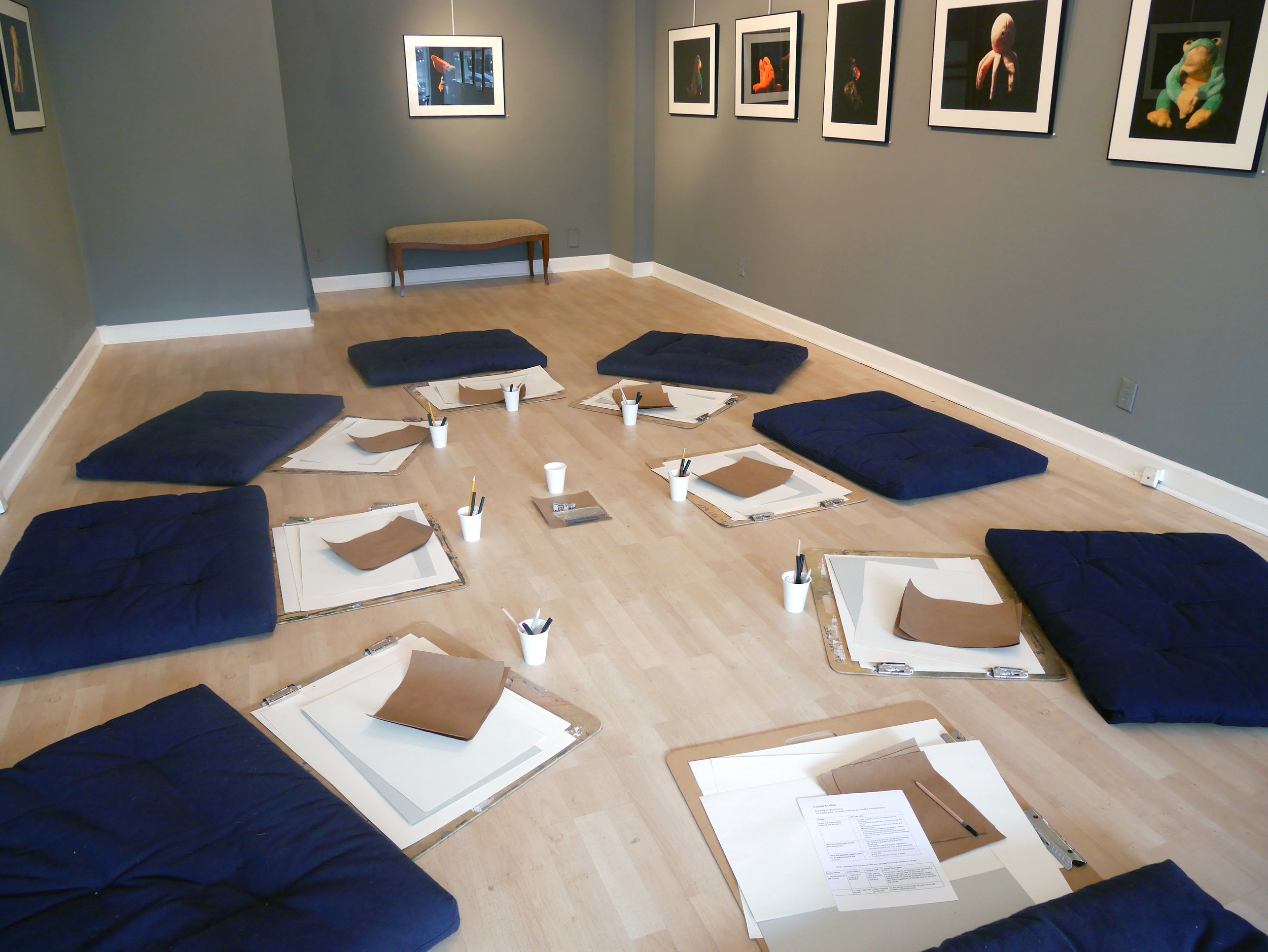
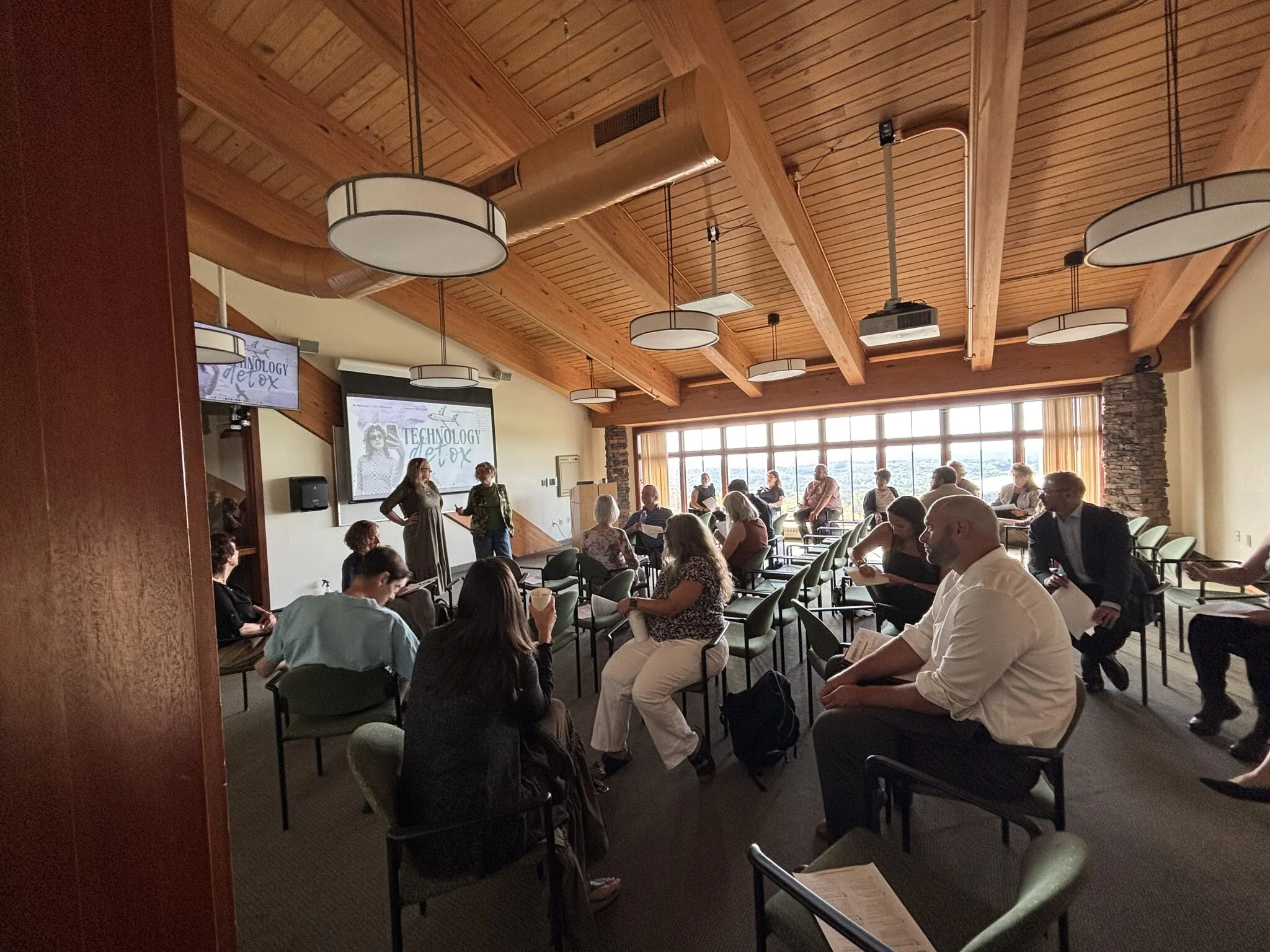
Digital Wellbeing Gallery
-
![]()
All Day UNPLUG Retreat
-
![]()
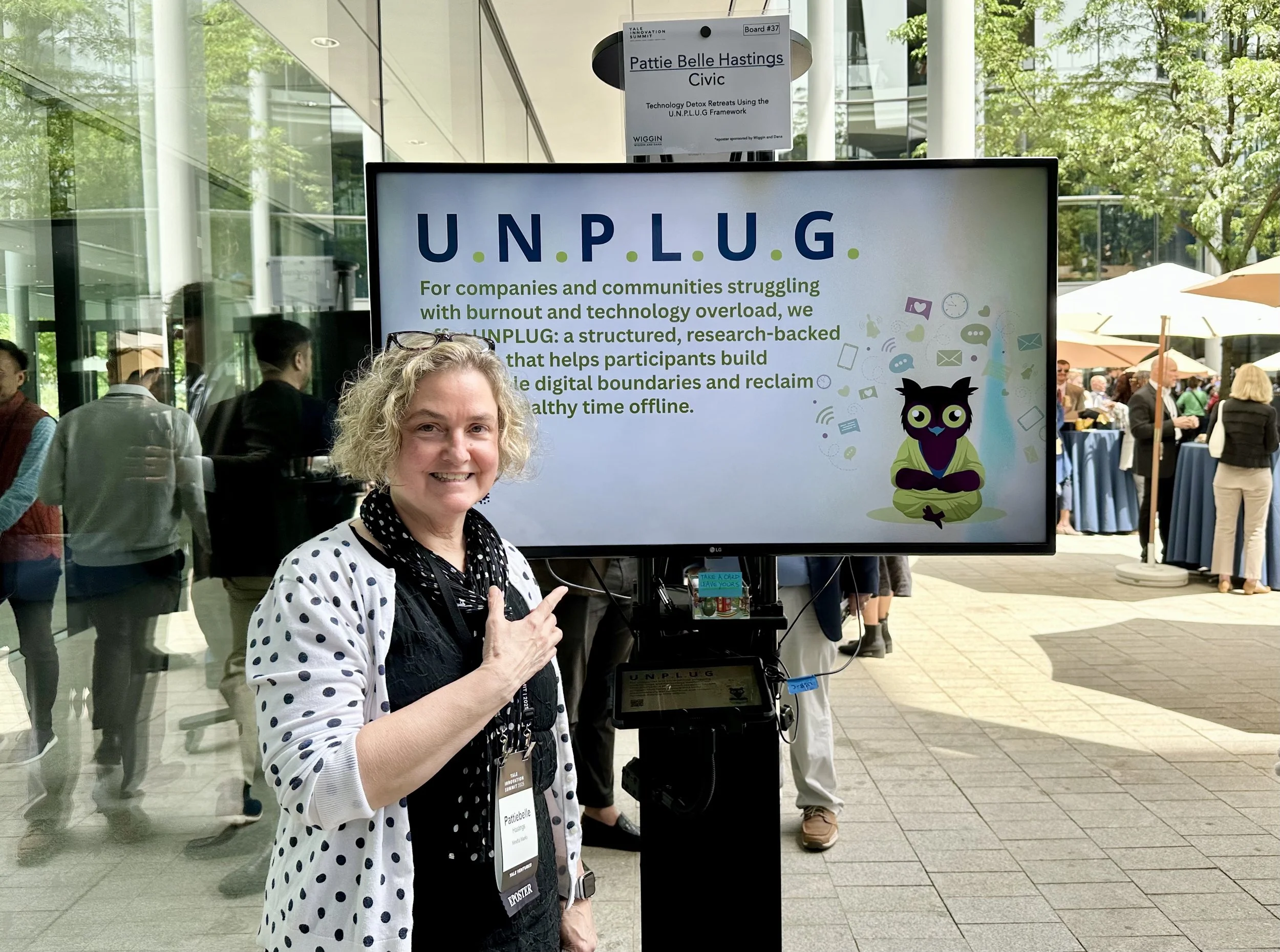
Yale Innovation Summit
-
![]()
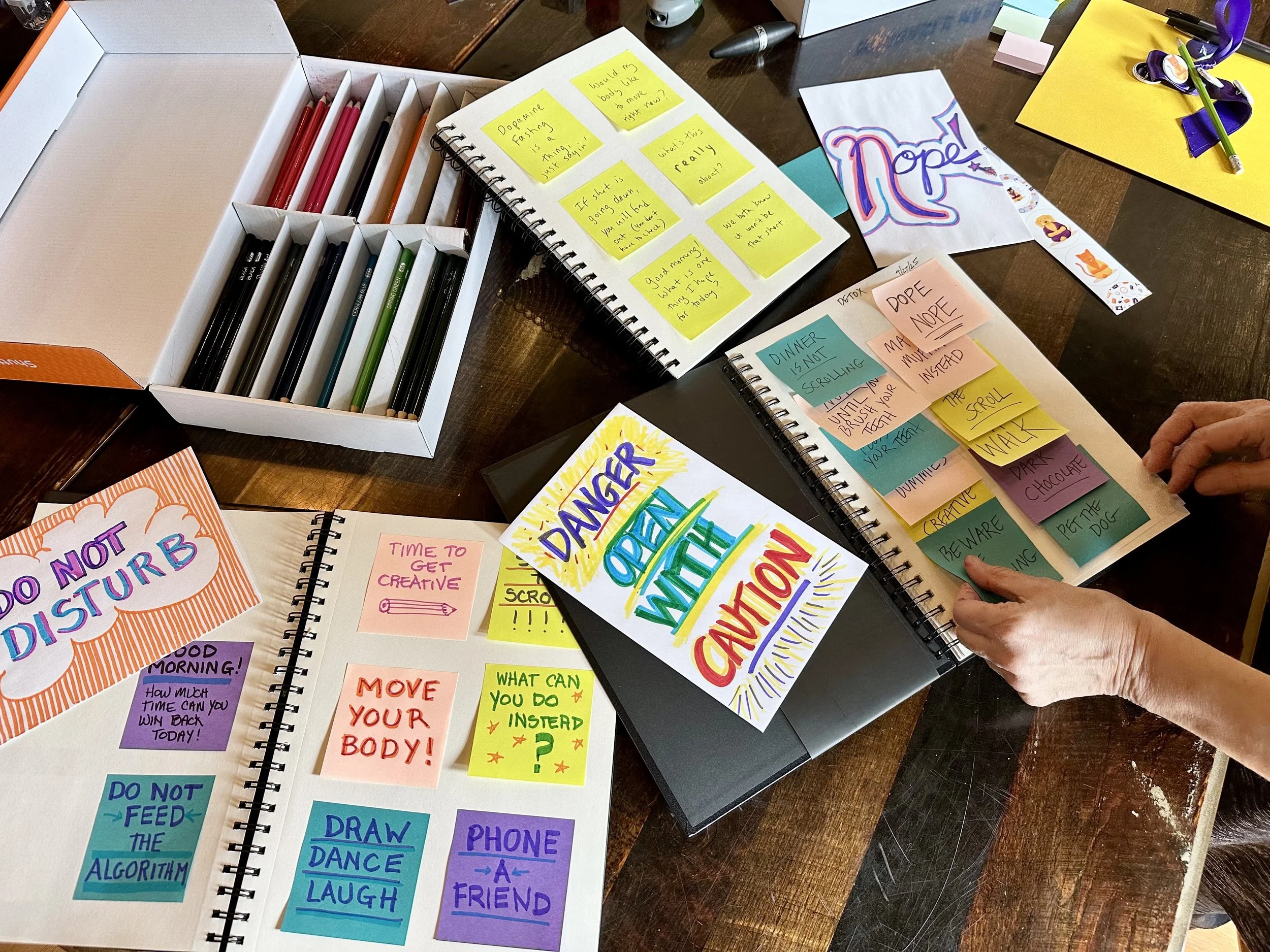
UNPLUG Retreat Creative Exercises
-
![]()
UNPLUG Retreat Snack Bar
-
![]()
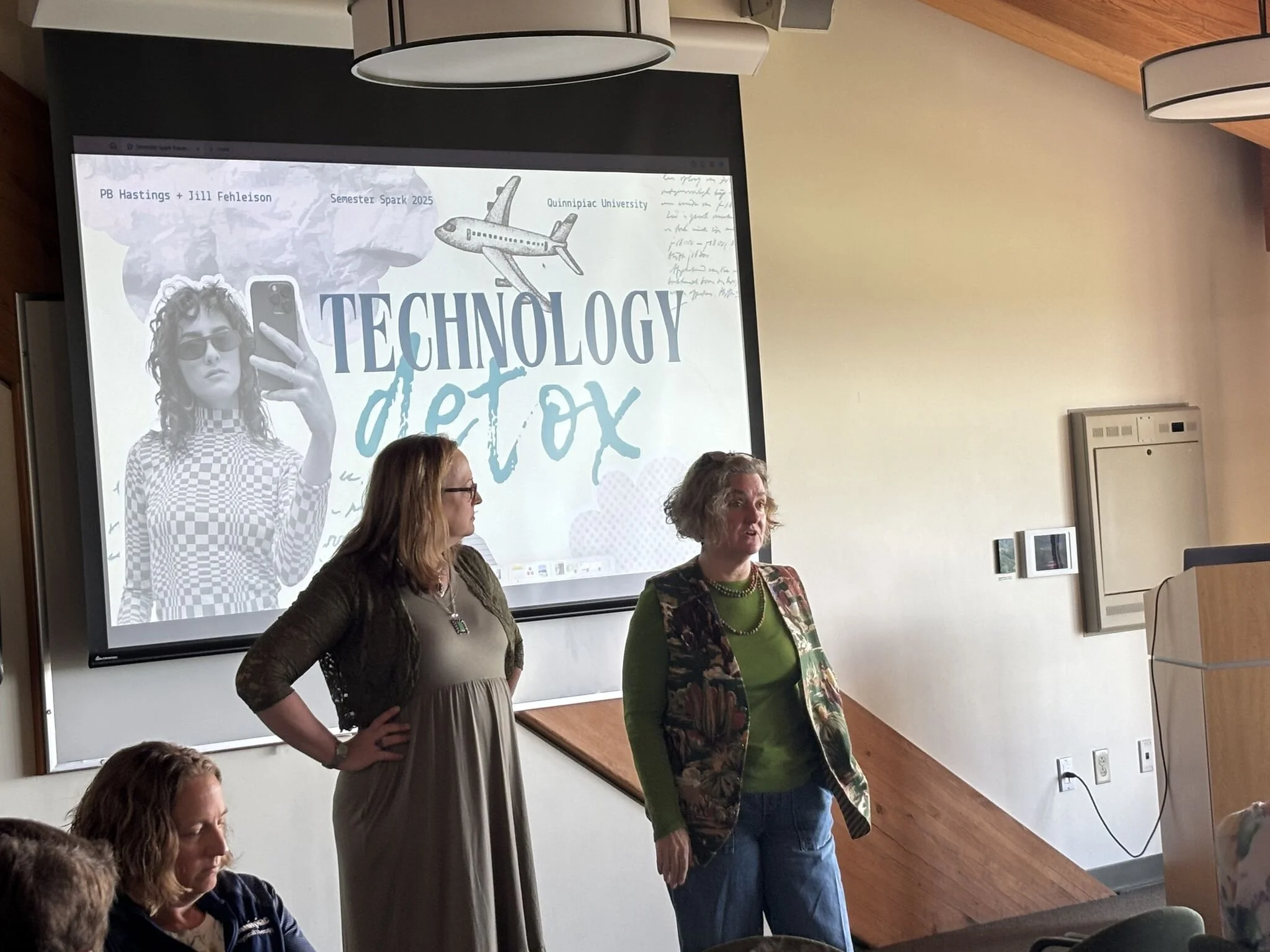
Tech Detox for Quinnipiac University Faculty
-
![]()
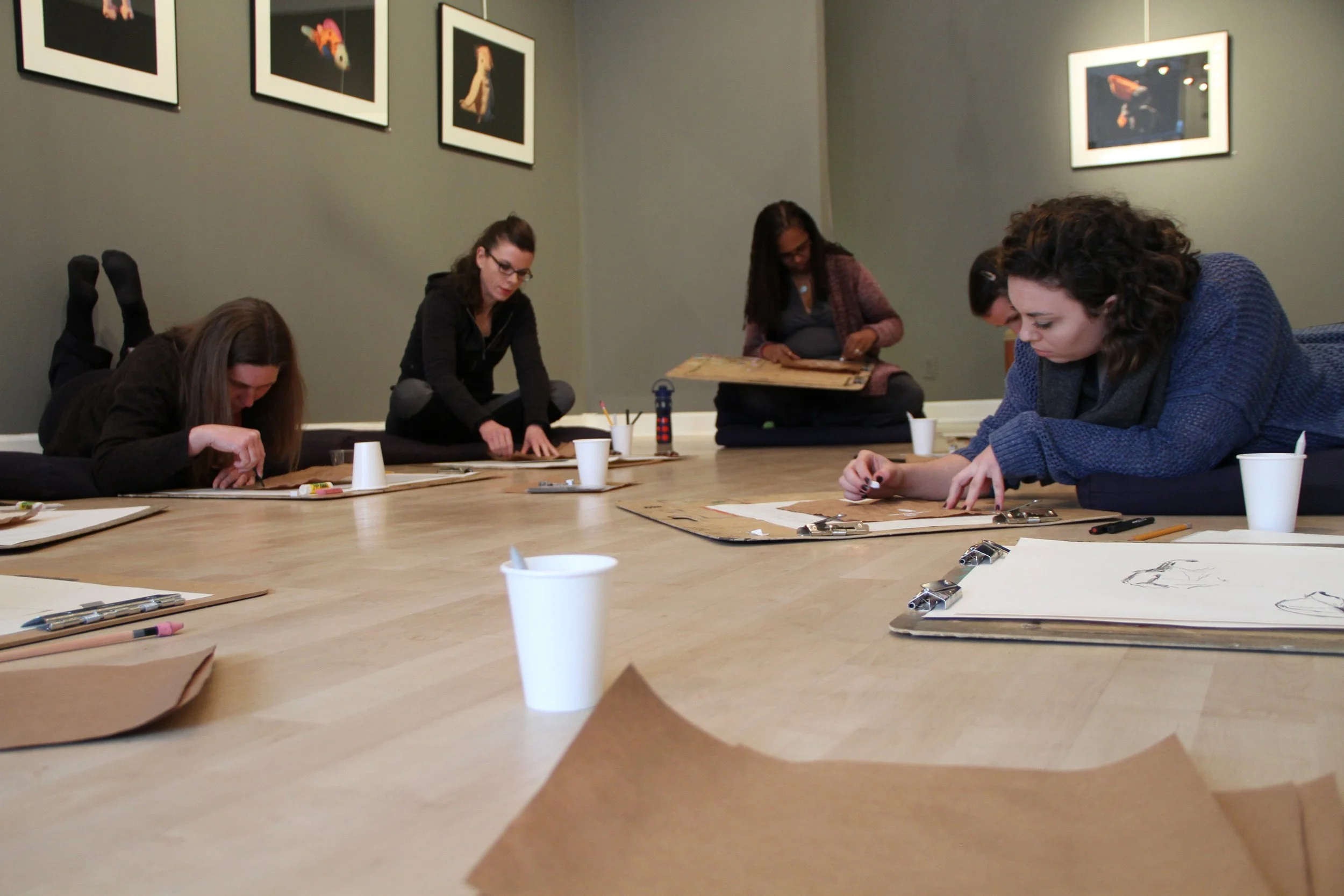
Embodied Practices Workshop
-
![]()
Embodied Practices Journaling Workshop
-
![]()
Embodied Practices Workshop
-
![]()
Embodied Practices Workshop
-
![]()
Embodied Practices Workshop
-
![]()
Embodied Practices Workshop
-
![]()
Embodied Practices Workshop
-
![]()
Yale Innovation Summit
-
![]()
Embodied Practices Workshop
-
![]()
Embodied Practices Workshop
-
![]()
Embodied Practices Workshop
-
![]()
Tech Detox Faculty Workshop
-
![]()
Embodied Practices Workshop
-
![]()
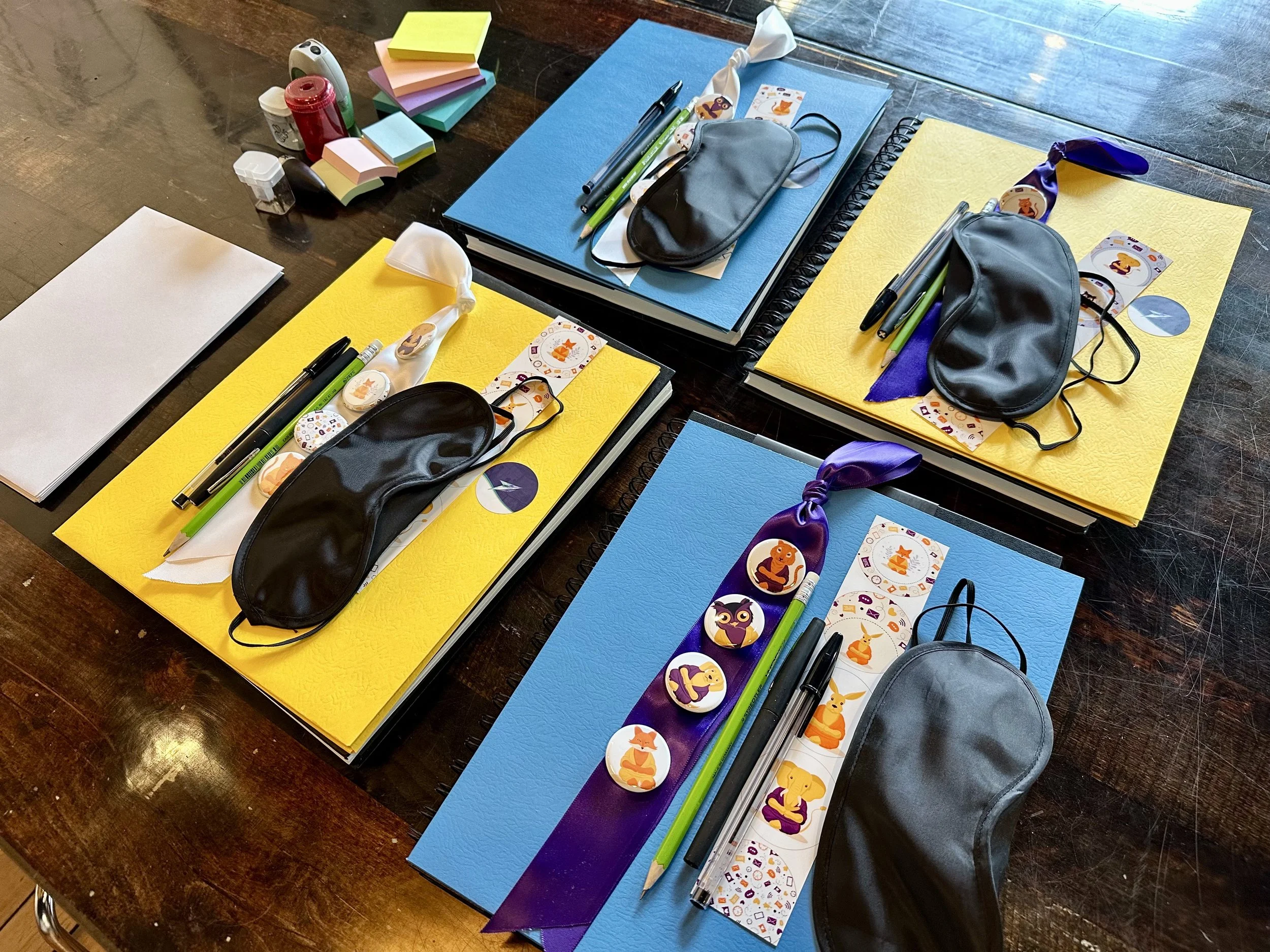
UNPLUG Full Day Retreat Materials
-
![]()
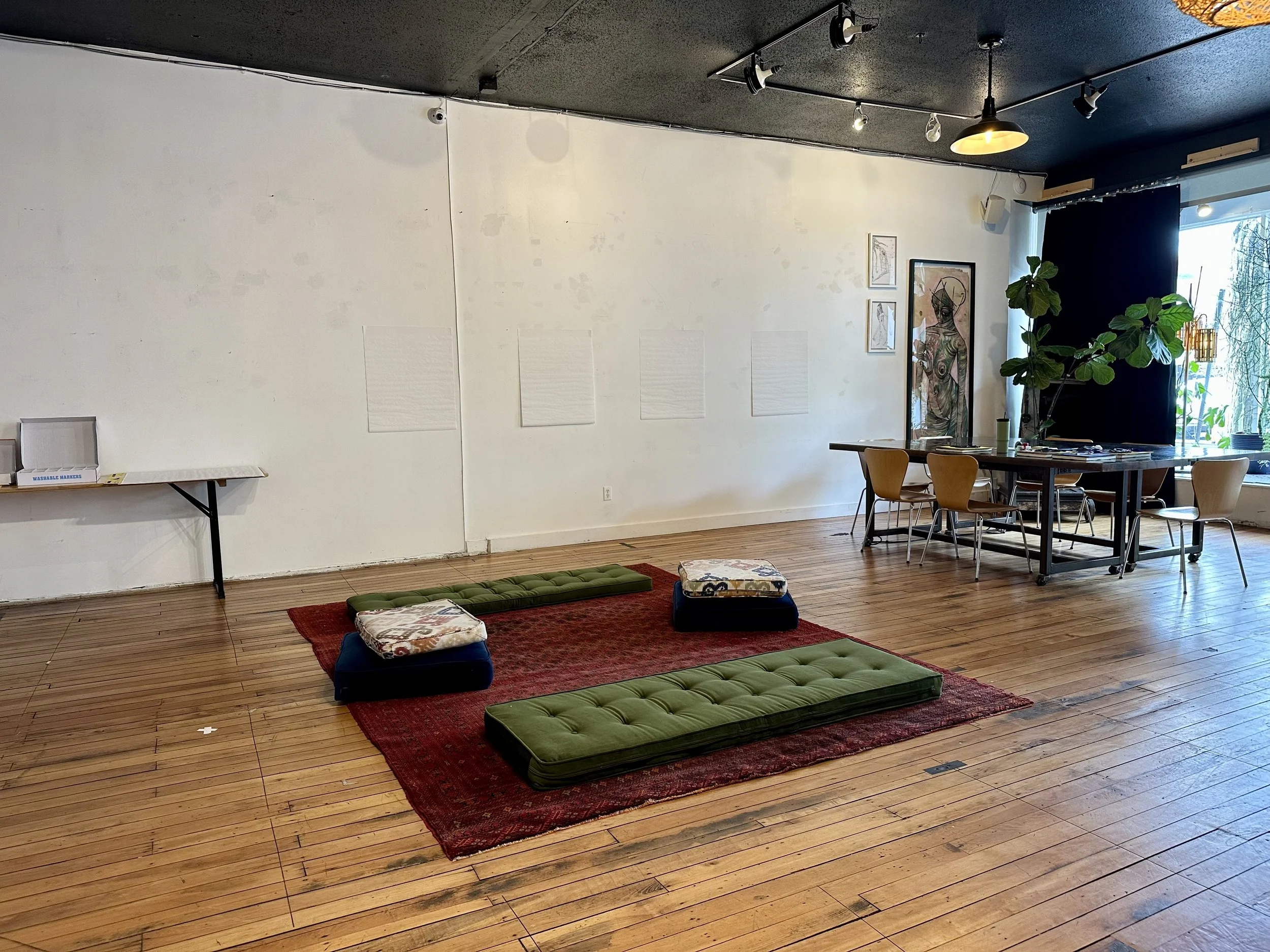
UNPLUG Retreat Venue
-
![]()
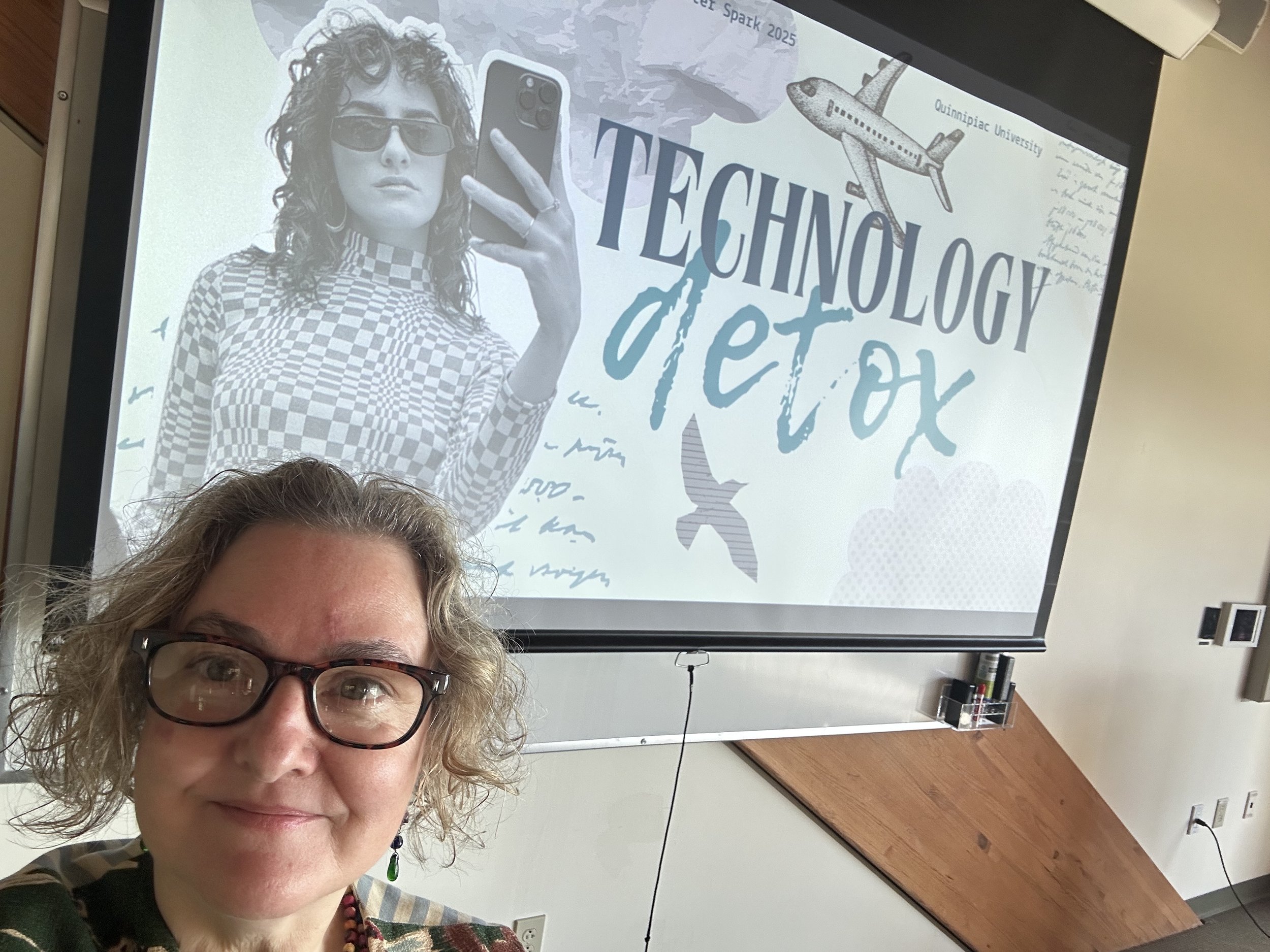
Technology Detox for Faculty




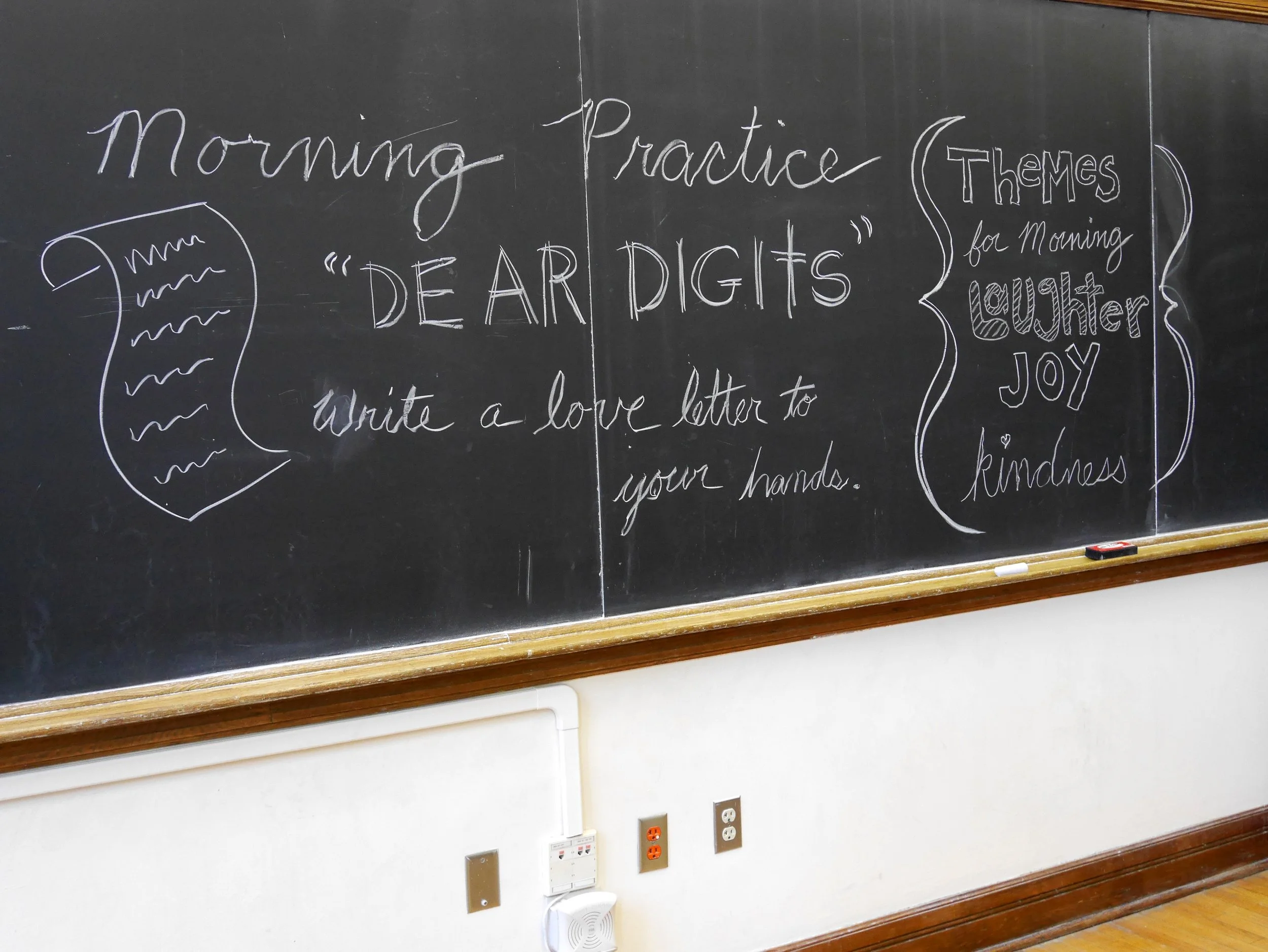
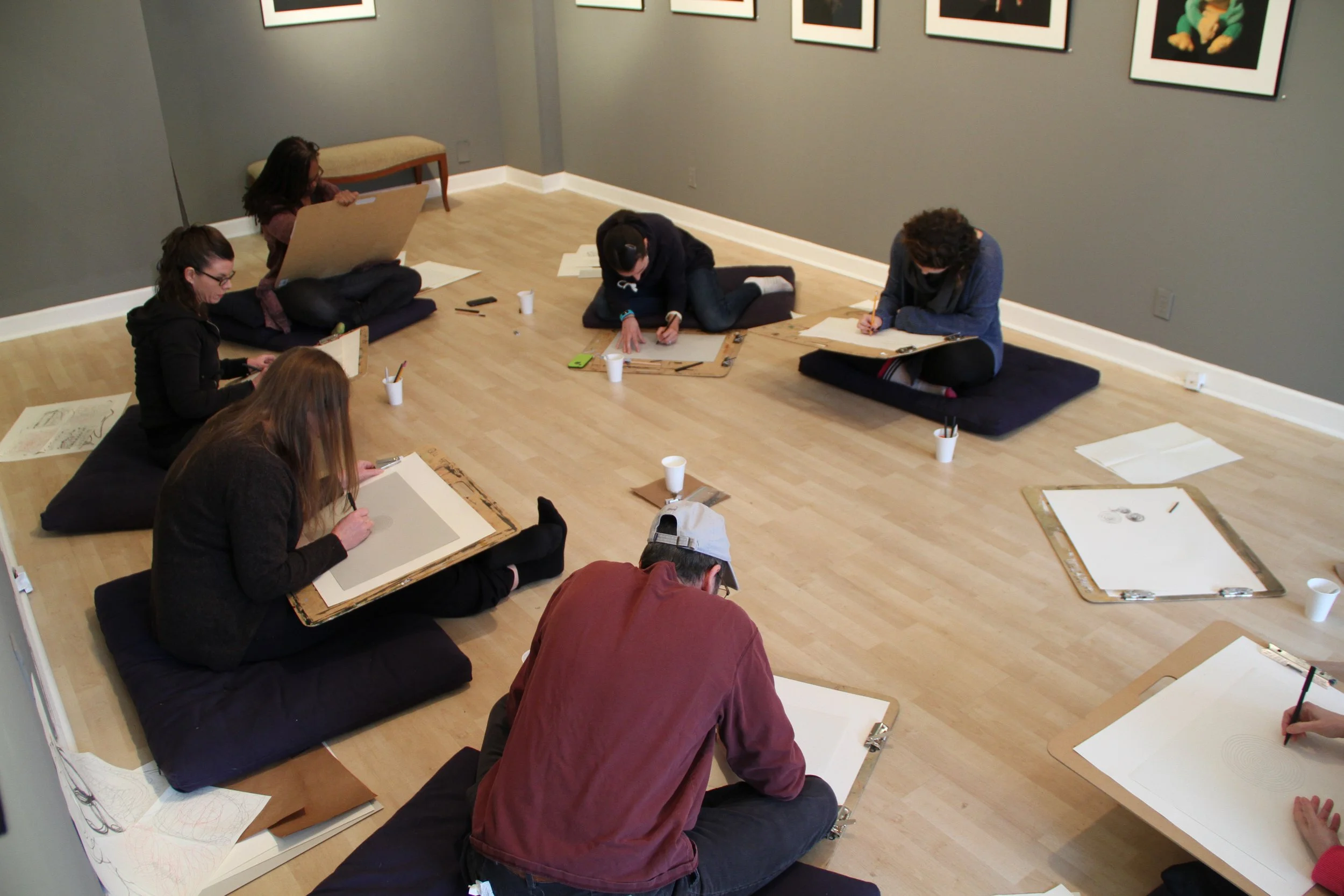
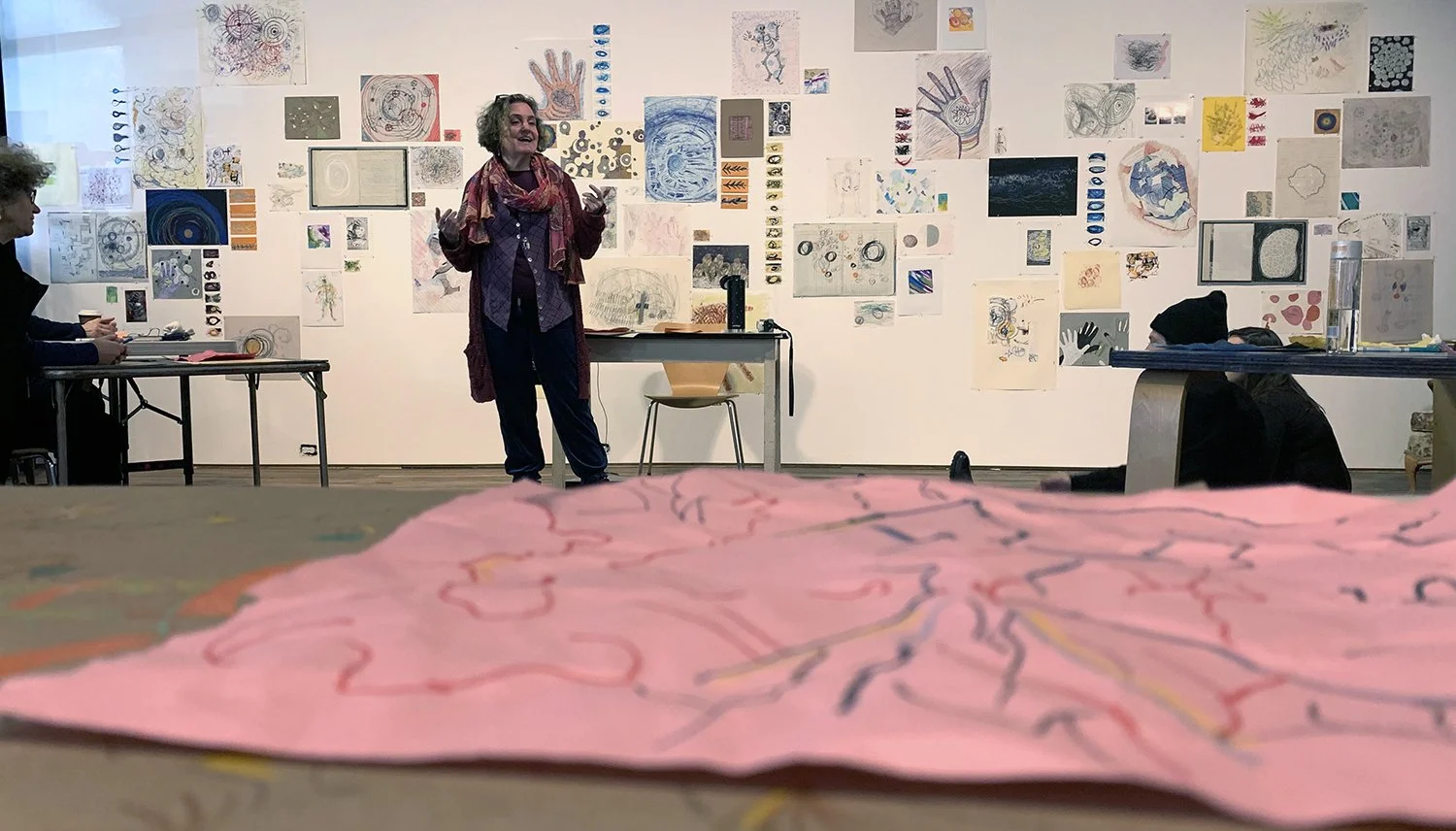
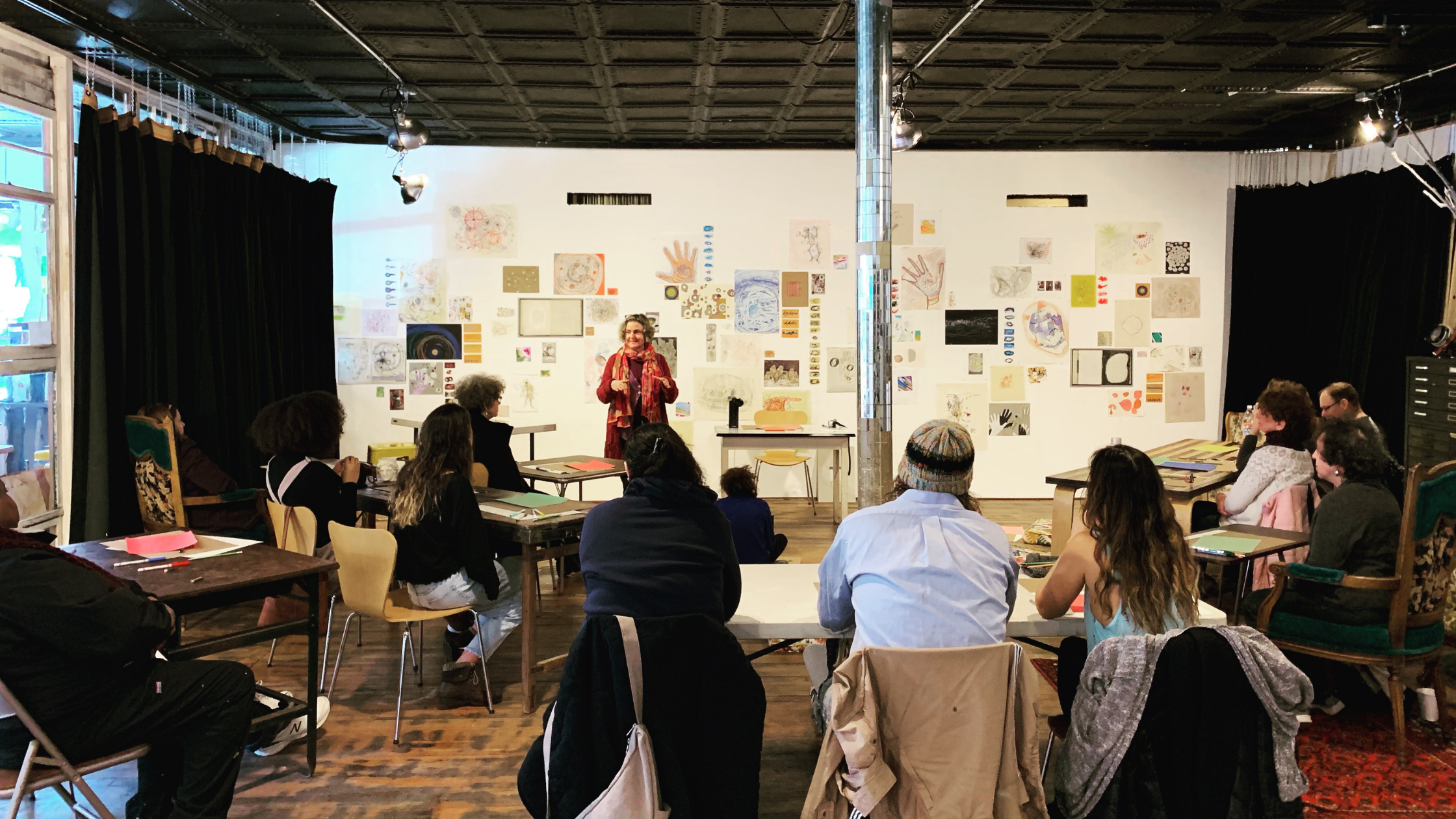


What participants say:

Frequently Asked Questions
About Pattie Belle
-
📵 Expert in Digital Well-being & Focus Strategies: Helping people break free from tech overload
🧠 Science-Backed Approach: Grounded in neuroscience, mindfulness, and behavior design
🔥 Engaging, Interactive, & Actionable: More than theory. You’ll leave with a real plan
🚀 Custom-Tailored for Teams & Individuals: Designed to fit your digital habits & challenges
💡 Results-Driven Transformation: Helping people reclaim time, energy, and creativity -
Pattie Belle is a fierce advocate for human creativity, problem-solving, and innovation. She believes that every individual and team holds an untapped well of ingenuity—they just need the right tools and mindset to unlock it.
With decades of experience in creative strategy, facilitation, and Design Thinking, she is passionate about helping organizations break through stagnation, embrace uncertainty, and turn obstacles into opportunities.
Her mission? To empower leaders and teams to think differently, solve better, and create a future where innovation is not just a buzzword—but a way of working and thriving.
About Pattie Belle’s Workshops
-
Technology was designed to make us more connected, efficient, and productive—but today, constant notifications, digital overload, and screen addiction are costing businesses billions in lost productivity, engagement, and well-being.
📊 Harvard Business Review found that employees who manage digital distractions effectively are 47% more productive.
📊 Deloitte reports that digital overload contributes to $190 billion in lost productivity and $300 billion in stress-related health costs each year.
📊 A study by RescueTime found that the average employee spends 2.5 hours per day on distractions, costing businesses an estimated $10,375 per employee per year.What would a 10-20% increase in productivity, retention, and engagement mean for your company?
-
A Technology Detox helps organizations:
✅ Reduce digital distractions & reclaim focus: Increase deep work & meaningful output
✅ Improve employee well-being & engagement: Decrease stress, burnout & digital fatigue
✅ Boost productivity & efficiency: Eliminate wasted hours lost to mindless screen time
✅ Enhance work-life balance: Support healthier digital habits for teams and individuals
✅ Foster a culture of mindfulness & intentional tech use: Drive long-term behavior change🧘 The bottom line? Businesses that prioritize digital well-being create more engaged, focused, and high-performing teams—and see measurable gains in productivity, retention, and innovation.
-
😌 47% More Productivity → Reduce distractions & increase deep work time
😌 Lower Burnout & Stress → Create a healthier, happier workforce
😌 Faster, More Effective Communication → Eliminate wasted emails & unnecessary meetings
😌 Stronger Focus & Creativity → Help employees regain mental clarity & cognitive function
😌 Higher Retention & Engagement → Employees stay longer when they feel balanced & in control -
Absolutely! Each of these workshops can be delivered as a dynamic keynote or engaging talk, designed to inspire, educate, and spark action in your audience. Whether it’s a conference, corporate event, leadership retreat, or team offsite, Pattie Belle delivers high-energy, thought-provoking presentations that blend storytelling, audience interaction, and practical strategies to create immediate impact. Keynotes can range from 30 to 90 minutes and can be customized to fit your event’s theme, audience, and goals. If you’re looking for a memorable, insightful, and transformative talk, let’s craft the perfect experience for your group!
Booking Pattie Belle
-
It’s simple!
📅 Step 1: Schedule a quick discovery call → Book Here
📩 Step 2: Email your request & questions → pattiebelle@mindfulmarks.com
🚀 Step 3: Customize, confirm, and get ready for a transformational session! -
Let’s talk! Send me an email ASAP! → pattiebelle@mindfulmarks.com
Previous Clients, Speaking, Workshops, & Funders: