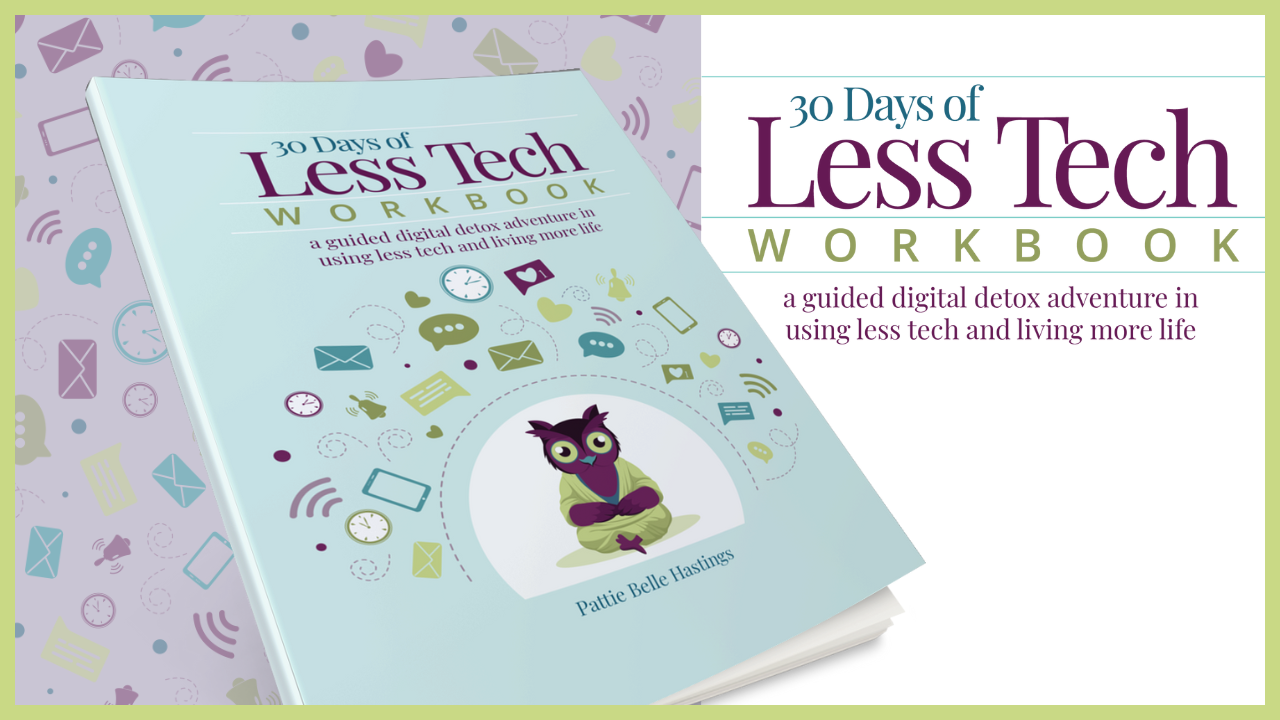
30 Days of Less Tech
a guided digital detox adventure in using less tech and living more life
University Program Overview
The Big Idea
A 30-day campus reset that rebuilds focus, learning conditions, and digital wellbeing across students, faculty, and staff.
30 Days of Less Tech is a structured, campus-friendly program that helps people reclaim attention and build realistic norms without shaming technology and without asking for impossible perfection.
On the modern campus, distraction isn’t just a student problem. It’s a learning environment problem. A teaching effectiveness problem. A staff capacity problem.
When attention is constantly pulled into devices, notifications, and rapid context switching, the result is predictable:
students struggle to study deeply and retain material
faculty lose uninterrupted blocks for prep, grading, and research
staff spend their days in reactive loops (email, Teams, Slack, interruptions, meetings)
everyone feels busy… yet the most meaningful work takes longer than it should
Includes: 90-min kickoff + workbook + weekly touchpoints + 90-min integration/closing
What this program
actually does
This isn’t a lecture about screen time. It’s a behavior-change sprint designed for real academic life.
Over 30 days, participants learn how to:
interrupt distraction loops without relying on willpower
protect deep focus (study blocks, research blocks, grading blocks, administrative work blocks)
reduce interruption-driven work and “always-on” communication pressure
design better conditions for learning, teaching, and collaboration
This is a workbook-guided container with a clear beginning, middle, and end, so the change has a chance to stick.
Who is this for?
You can run this as a blended cohort or a targeted cohort.
Great fit for: Student Success, Wellness, Faculty Development, Staff Development/HR, First-Year Experience, Honors, Learning Communities, and department-level initiatives.
Students
stronger study focus and follow-through
better attention habits in class and during study sessions
a realistic system for boundaries and recovery during a semester
Faculty
clearer learning norms that improve classroom conditions
fewer attention leaks during prep/grading/research time
more present teaching (and less cognitive drag)
Staff
reduced interruption loops and “reactive day” patterns
more effective meetings and communication expectations
better capacity for complex work that requires sustained attention

What’s included
30-Day format
1) 90-minute Live Kickoff
We set the baseline and build momentum:
attention audit: where time and focus leak on your campus
habit map: the patterns behind “I can’t stop checking.”
choose 2-3 friction fixes aligned to your cohort (classrooms, offices, hybrid work)
2) The Workbook
Participants get a guided workbook with:
daily themes + prompts
small experiments that fit life
simple tracking to make progress visible (without shame)
3) Support Touchpoints
Designed to keep momentum without creating new meetings:
Monday/Wednesday/Friday email prompt (this can be offered as an opt-in for participants)
midway live 60-minute AMA (ask me anything)
4) 90-minute Live Integration
We consolidate and lock in:
what worked, what didn’t
agreements to carry forward (class norms, meeting norms, communication norms)
a “relapse plan” for midterms, finals, crunch periods, and high-stress cycles
Measurement (simple, useful, not burdensome)
If your campus wants a before/after snapshot, we use lightweight measures:
2-minute pulse (pre + post):
focus + overwhelm + recovery habits
perceived effectiveness of study/teaching/work blocks
confidence in maintaining boundaries
Optional add-ons (depending on program home):
classroom or meeting norms adoption checklist
self-reported deep focus minutes (baseline vs. week 4)
attendance/assignment follow-through (when appropriate)
What changes in 30 days?
This is what participants notice when the program lands well:
🎯 Better learning conditions
Less multitasking creep. More “single-tasking” during class and study.
🎯 Stronger focus stamina
Participants learn how to get back into depth quickly and stay there longer.
🎯 Healthier digital norms
Not “no tech.” More like: intentional tech with clear boundaries, fewer compulsive checks.
🎯 Improved meeting and communication quality
Less noise, clearer expectations, and better decisions (especially for staff teams).
🎯 A shared campus language around attention
So you’re not relying on individual willpower, you’re shifting the culture.
What this is not
Not a moral lecture about phones
Not a “ban devices” policy push
Not another app or platform
Not a high-effort program that creates more work for your team
Not a one-off talk that evaporates after the session
This is structured change, designed to fit campus reality.
Implementation options
Pick the version that makes adoption easiest:
Blended Campus Cohort (Students + Faculty + Staff)
Builds shared norms and a shared language across roles.Faculty + Staff Cohort
Best for improving meeting culture, communication expectations, overwhelm, and deep work protection.Student Success Cohort
Best for study habits, self-regulation, overwhelm, and learning conditions.Embedded in a course or program
Perfect for FYE, Honors, Learning Communities, or a departmental initiative.
How deployment works
Fit call (20 minutes): confirm the audience, goals, and schedule
Kickoff scheduled: we choose the 30-day window
Delivery: kickoff → weekly touchpoints → closing session
Outcome summary: you get a simple before/after snapshot based on agreed measures
Most programs can launch within 2-3 weeks of scheduling.
Digital Wellbeing Gallery
-
![]()
All Day UNPLUG Retreat
-
![]()
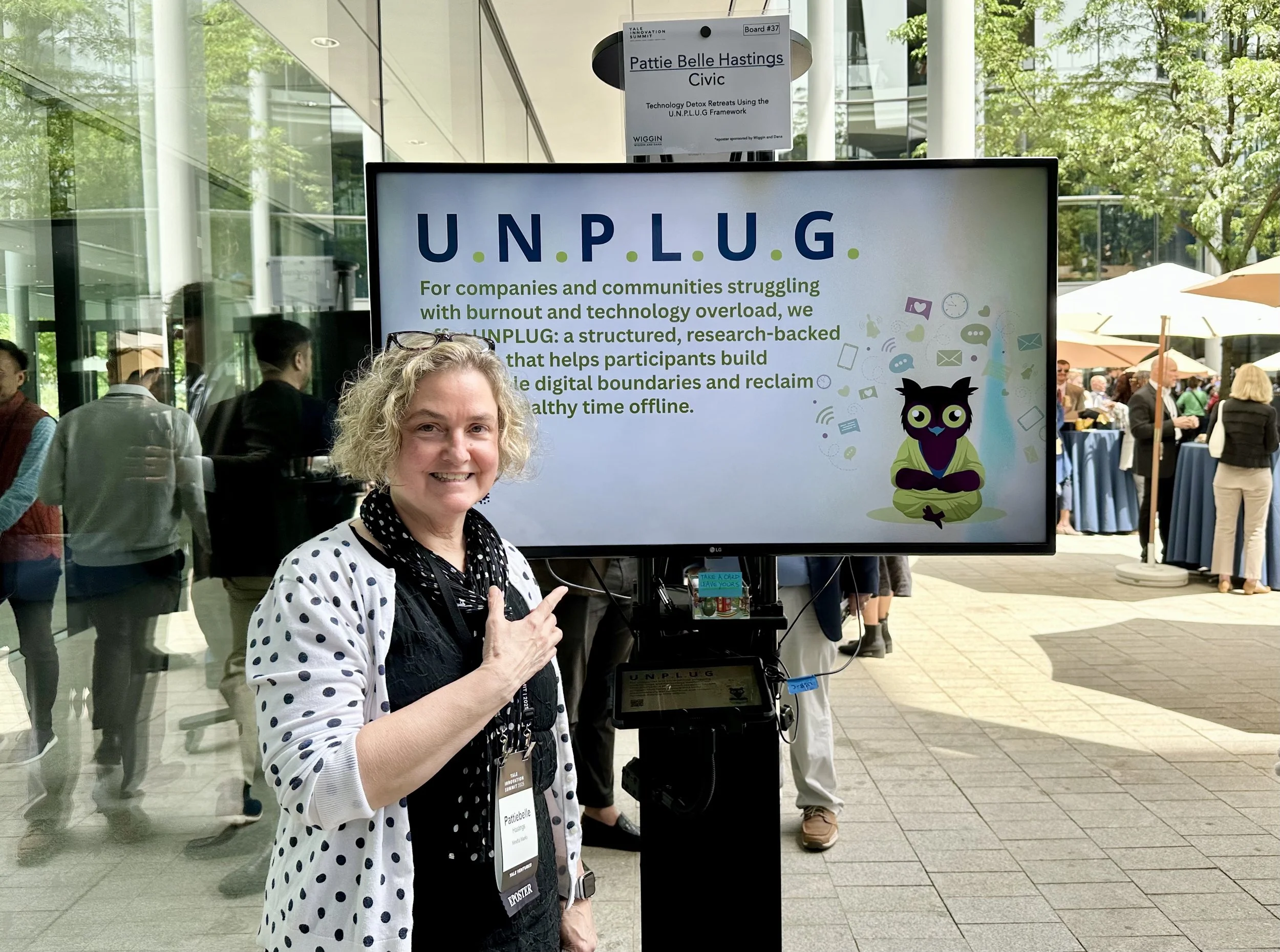
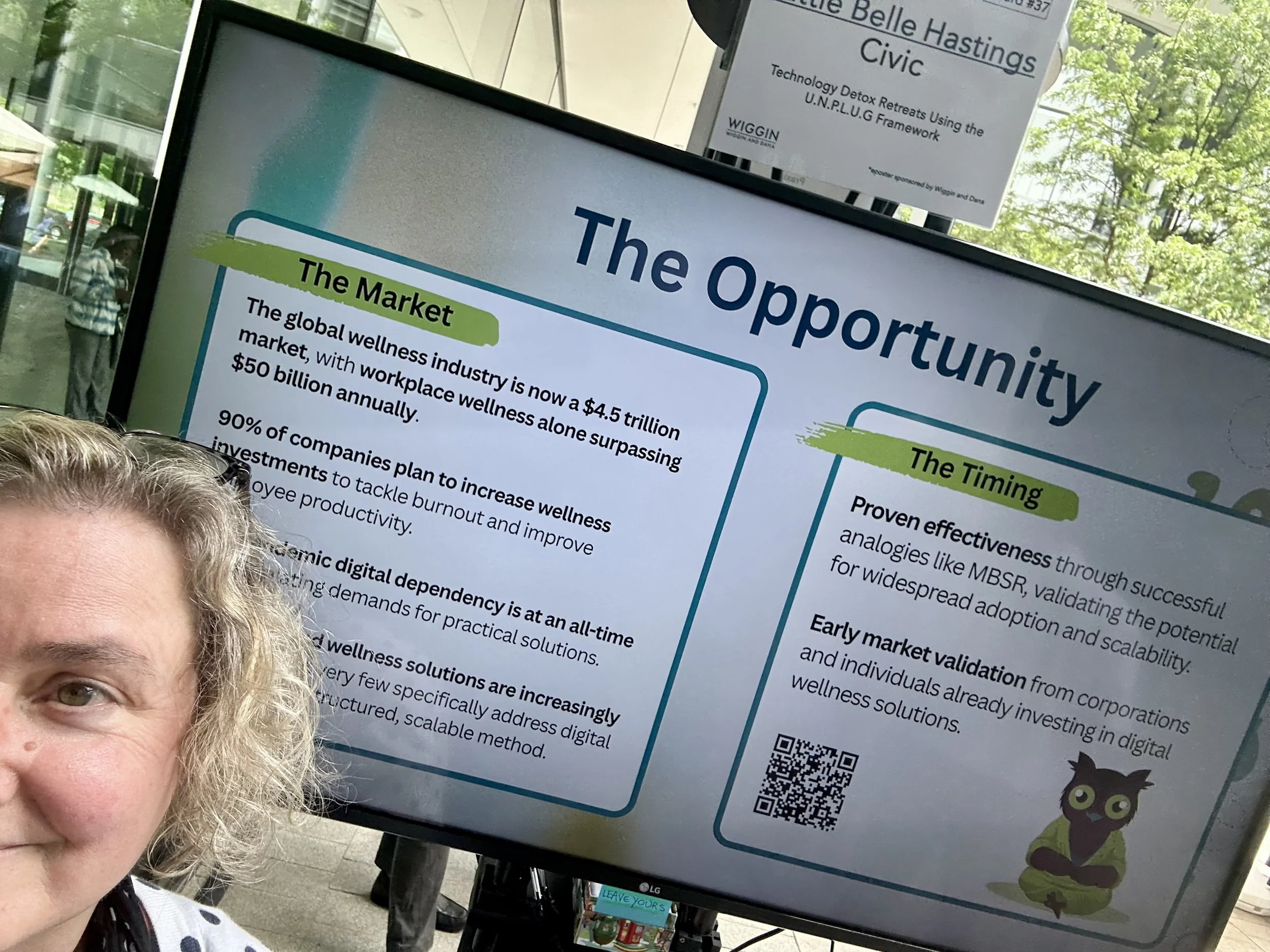
Yale Innovation Summit
-
![]()
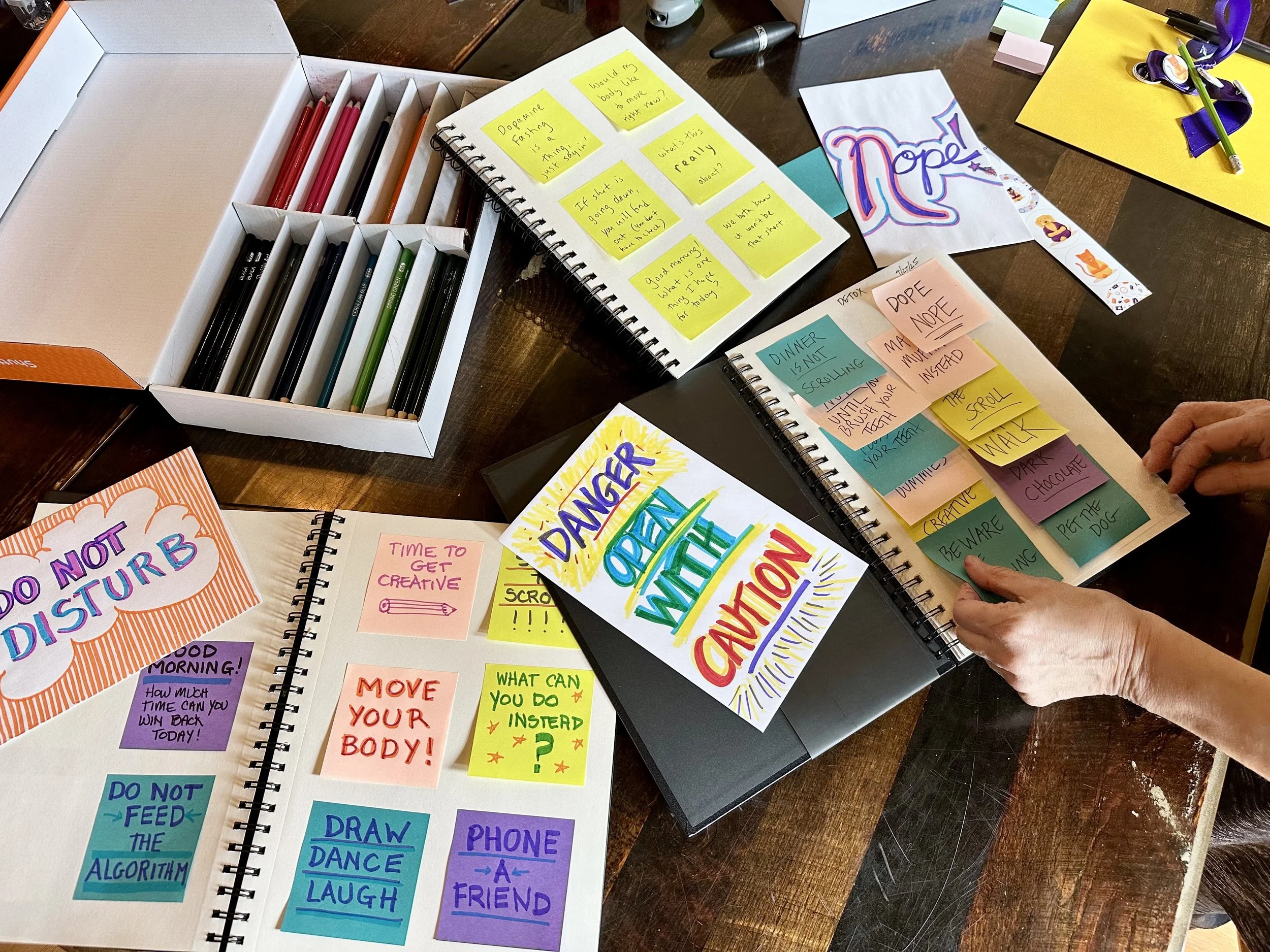
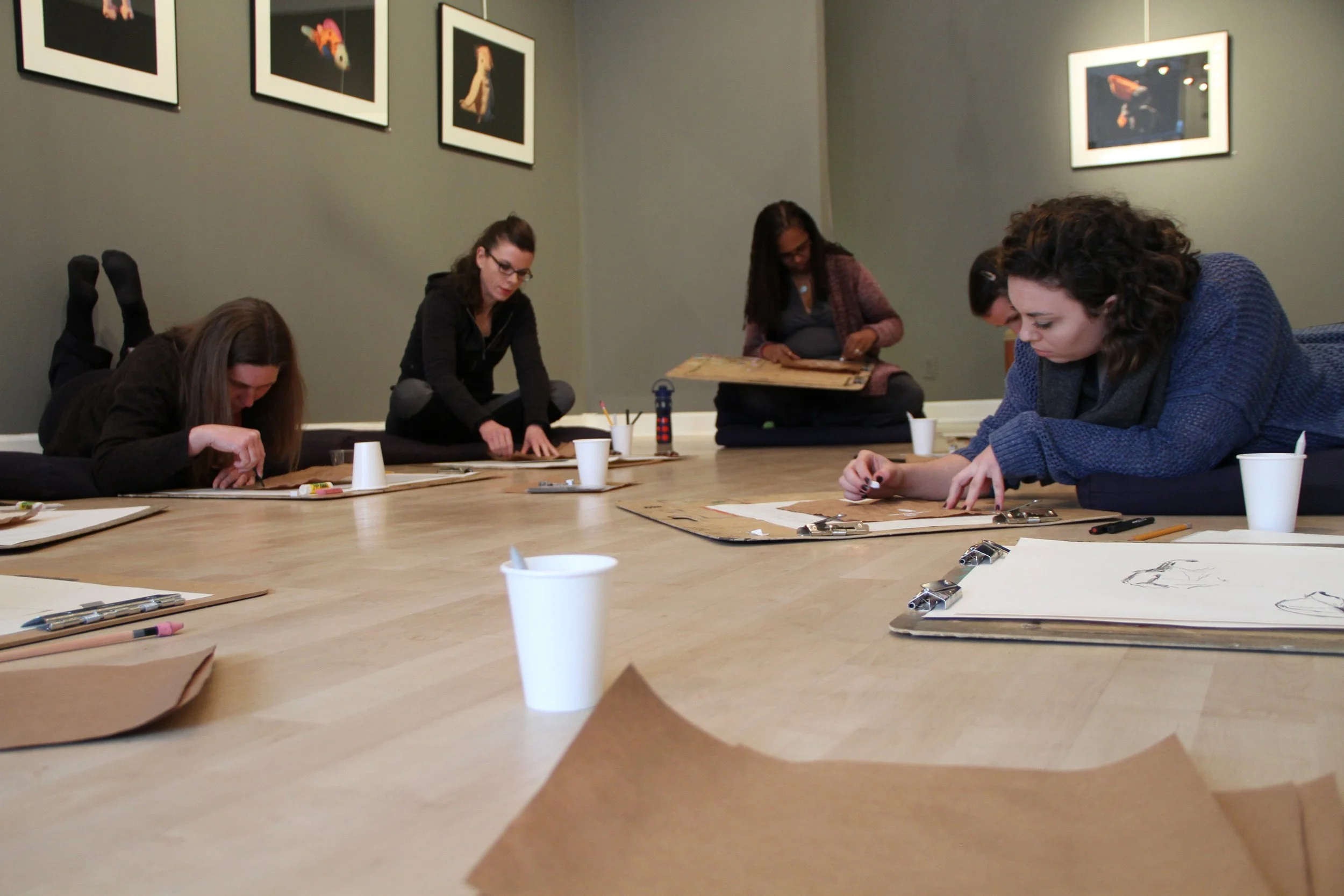
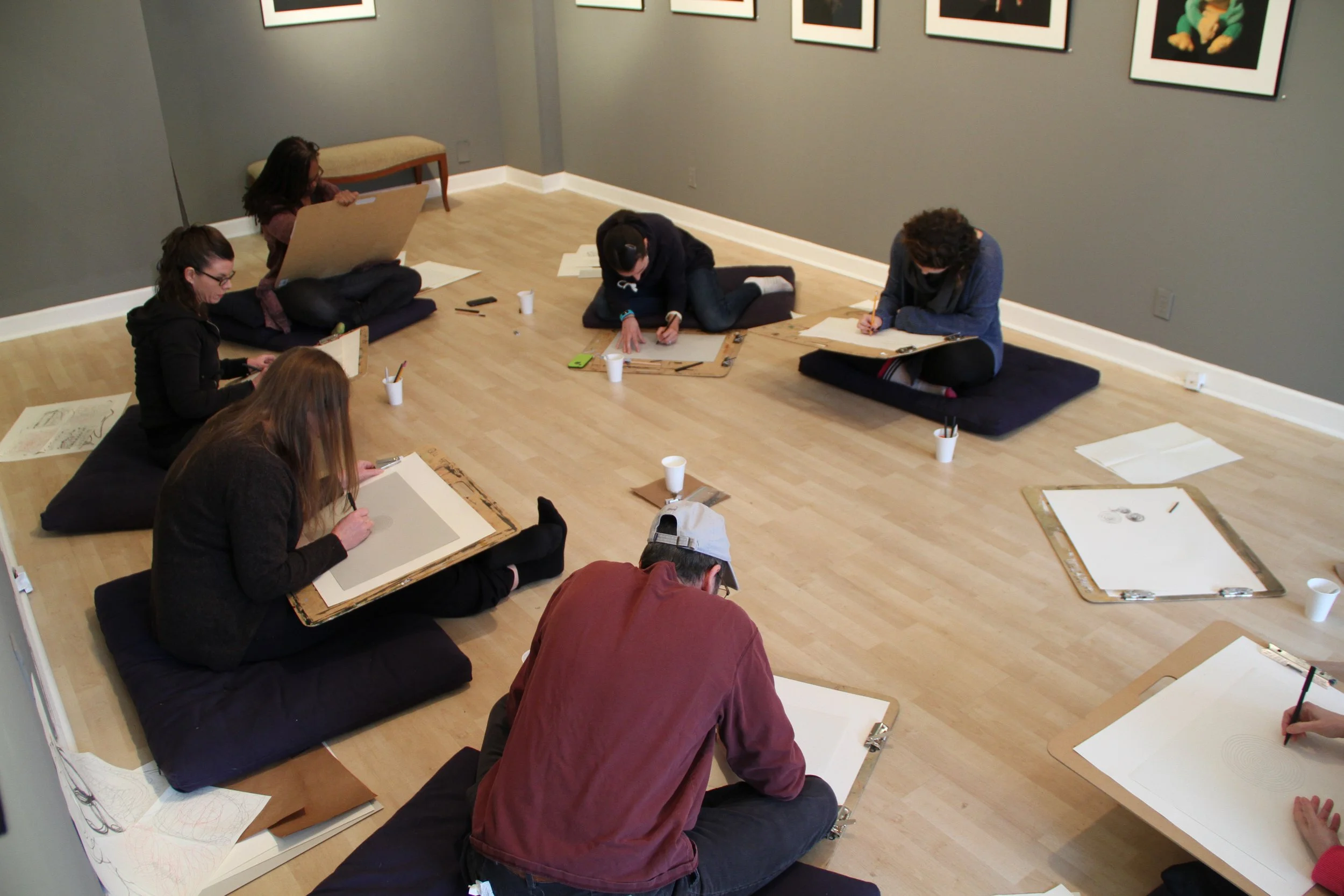
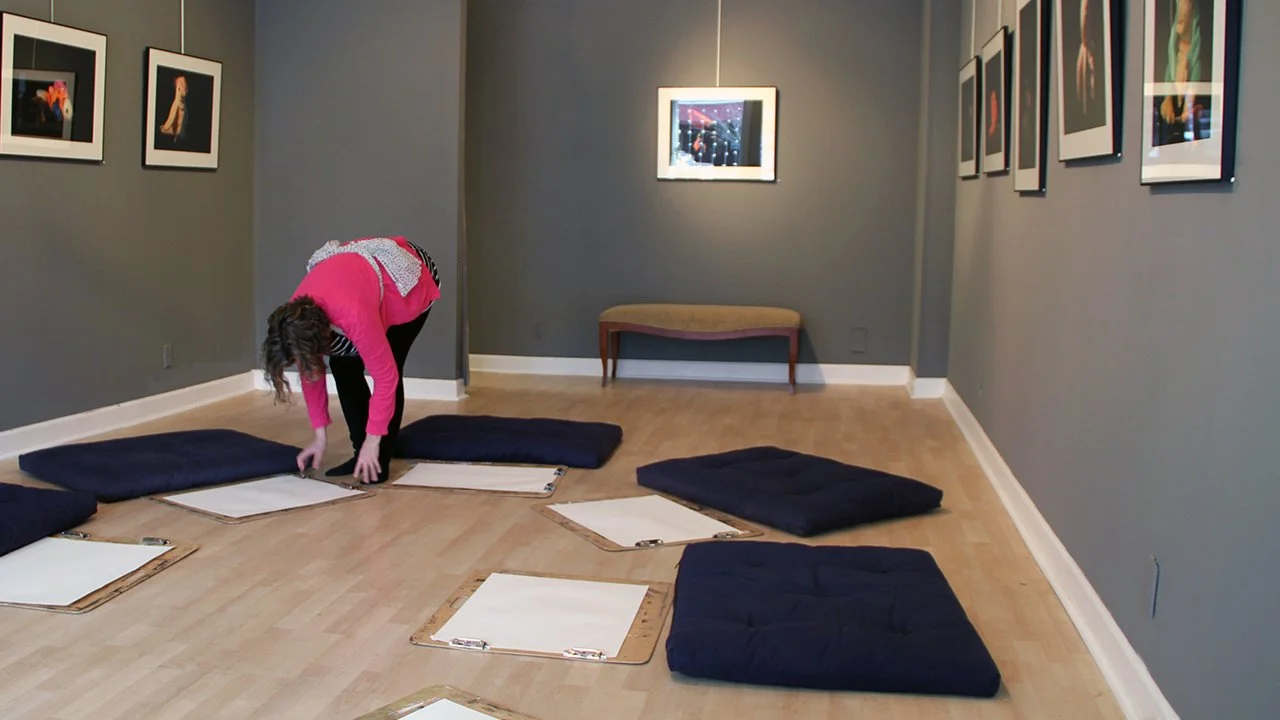
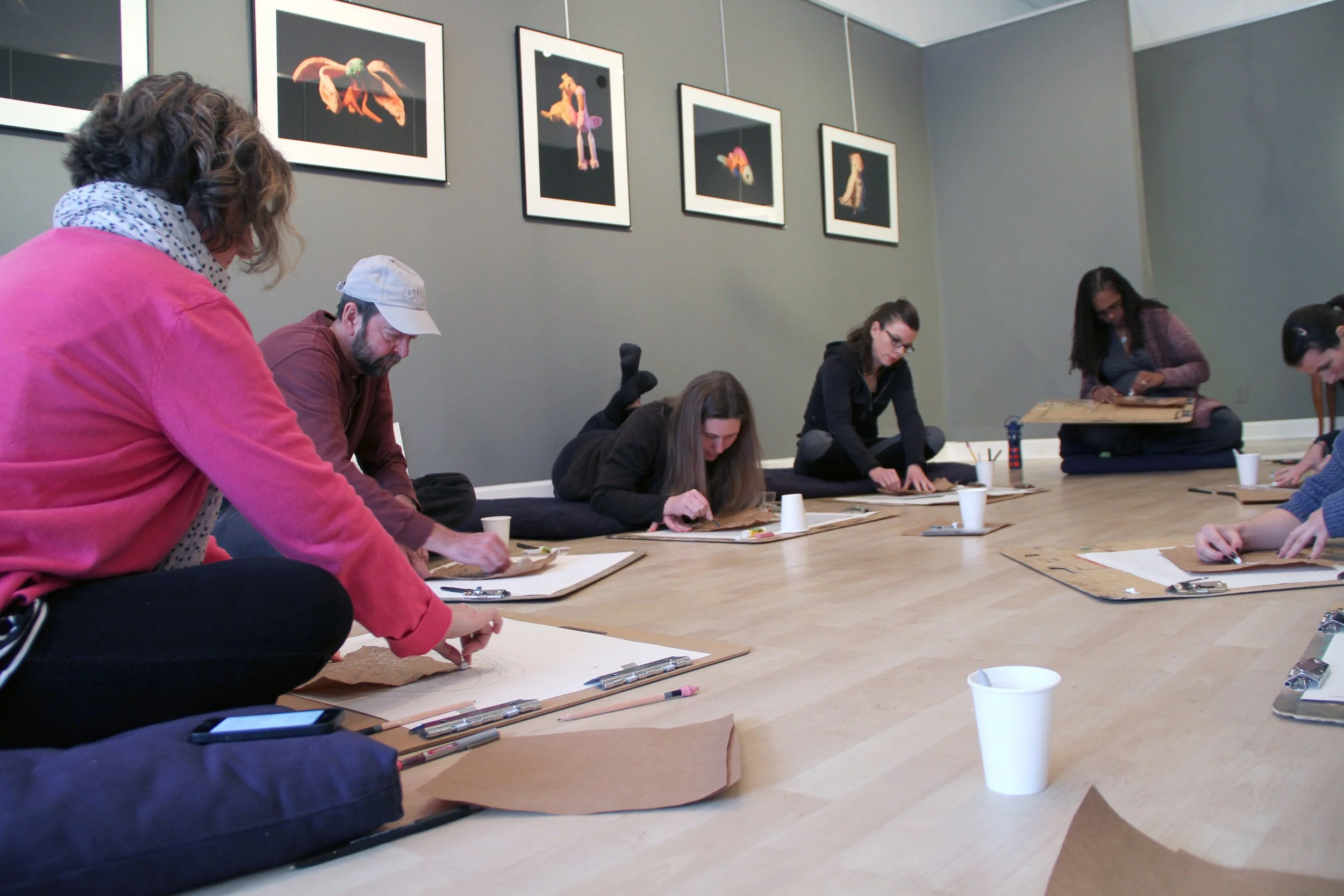
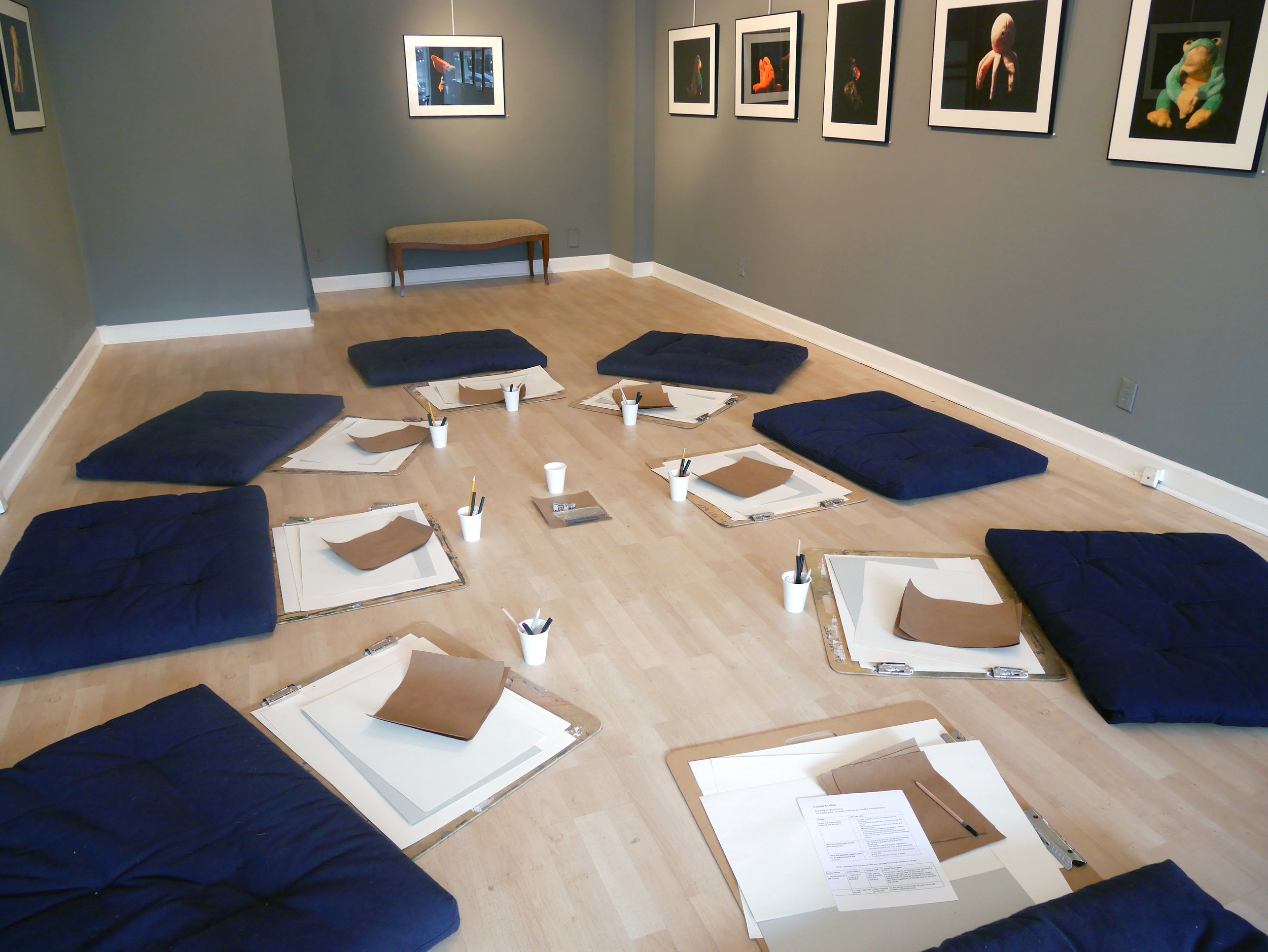
UNPLUG Retreat Creative Exercises
-
![]()
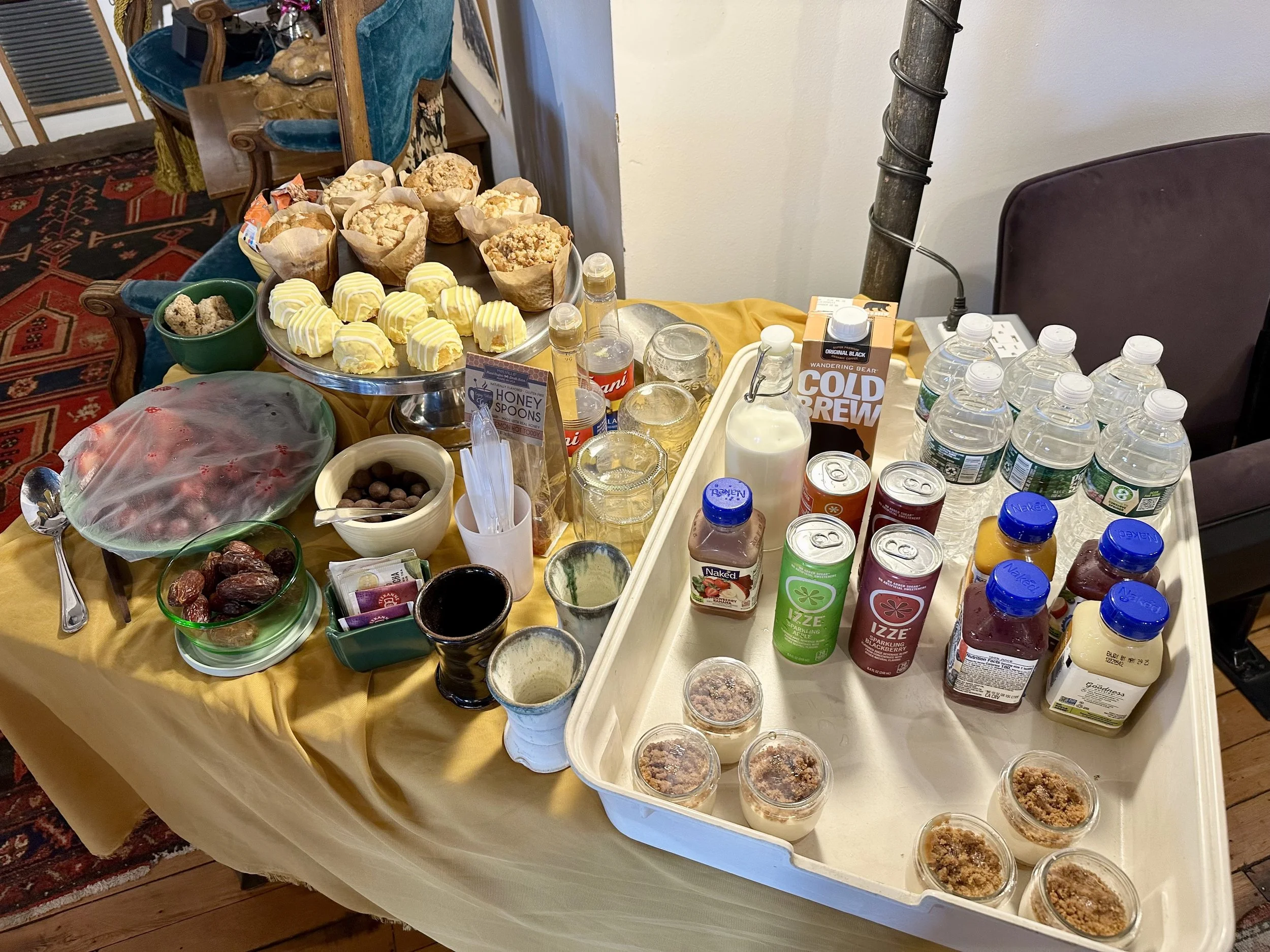
UNPLUG Retreat Snack Bar
-
![]()
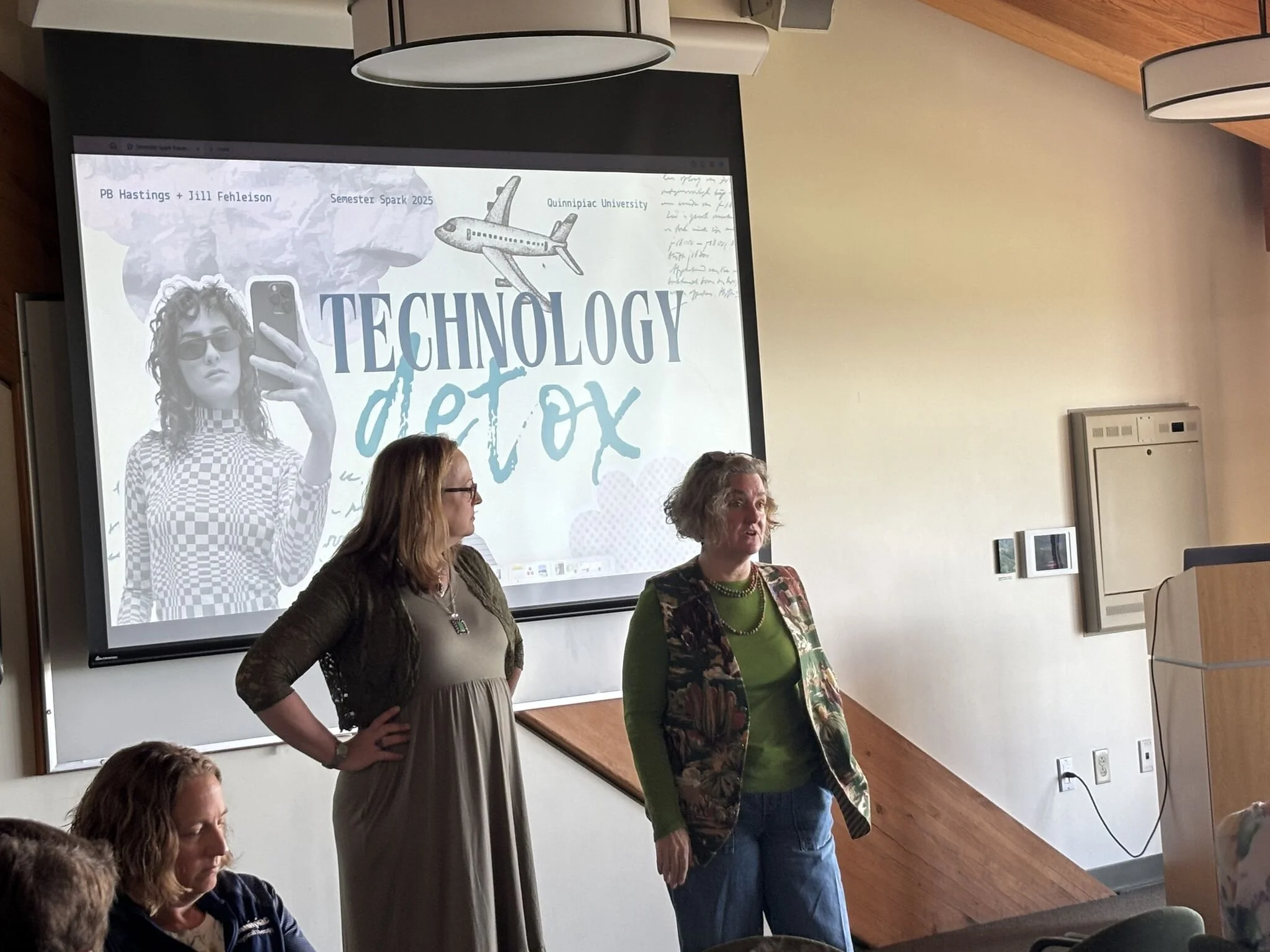
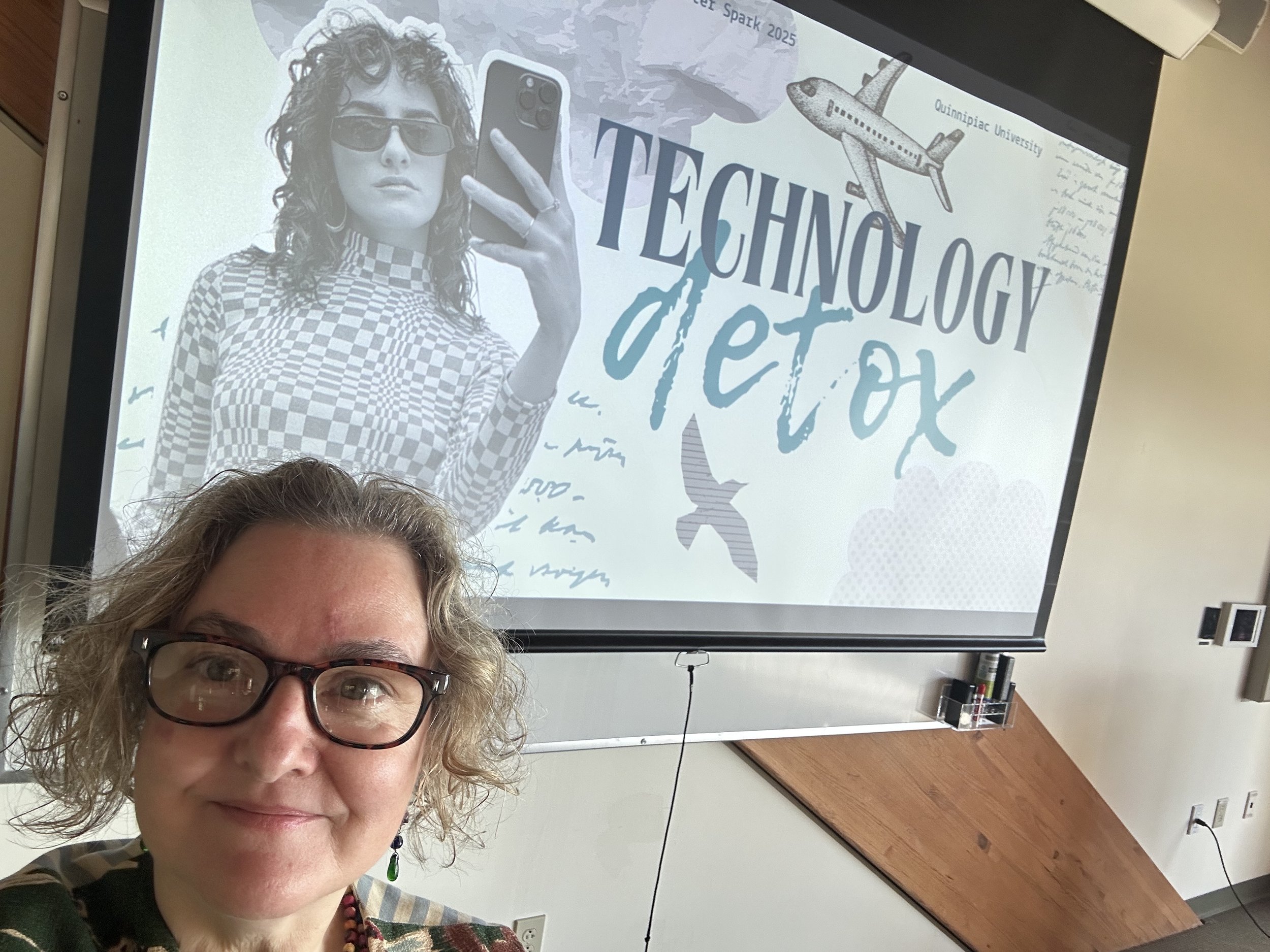
Tech Detox for Quinnipiac University Faculty
-
![]()
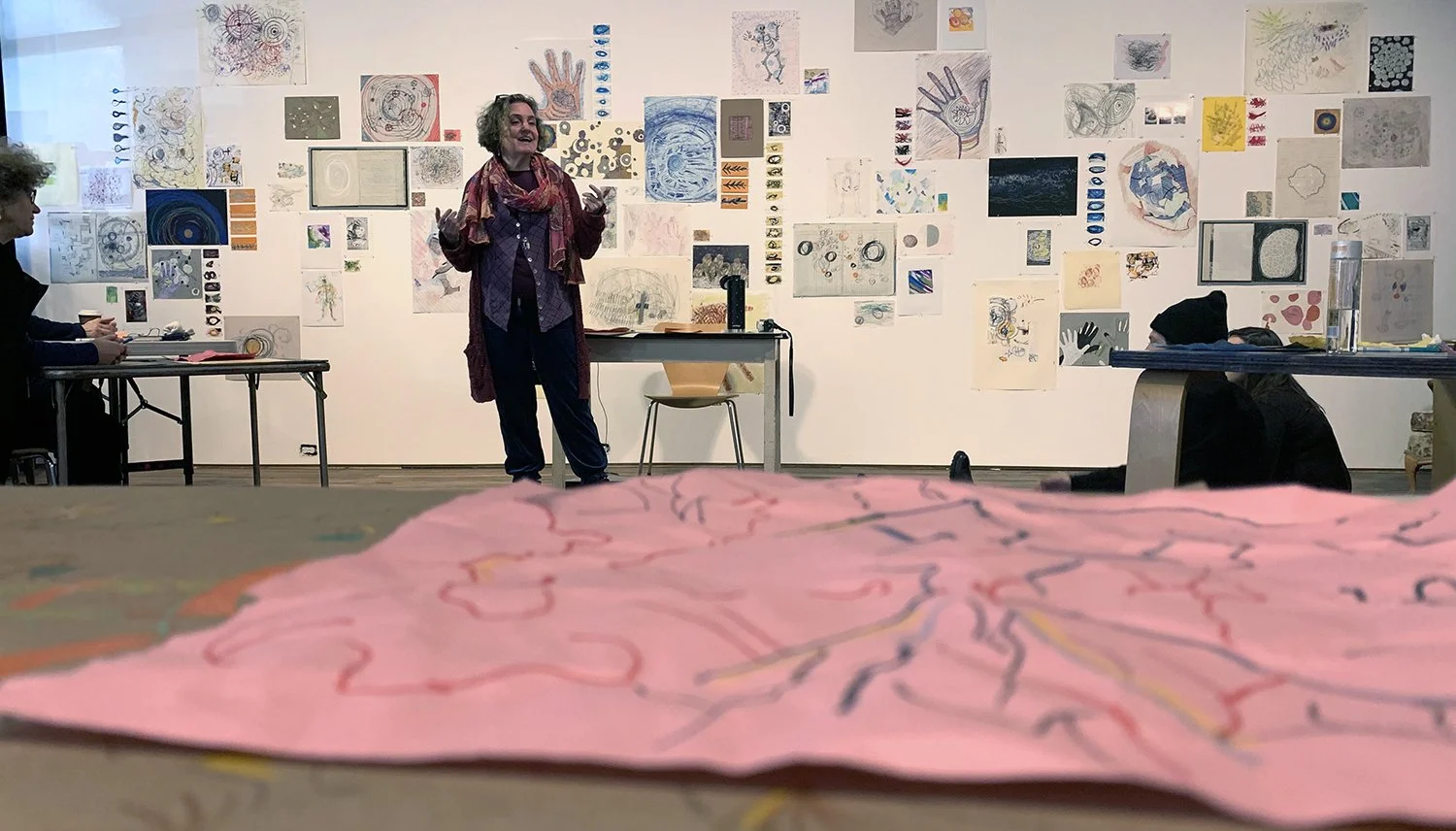
Embodied Practices Workshop
-
![]()
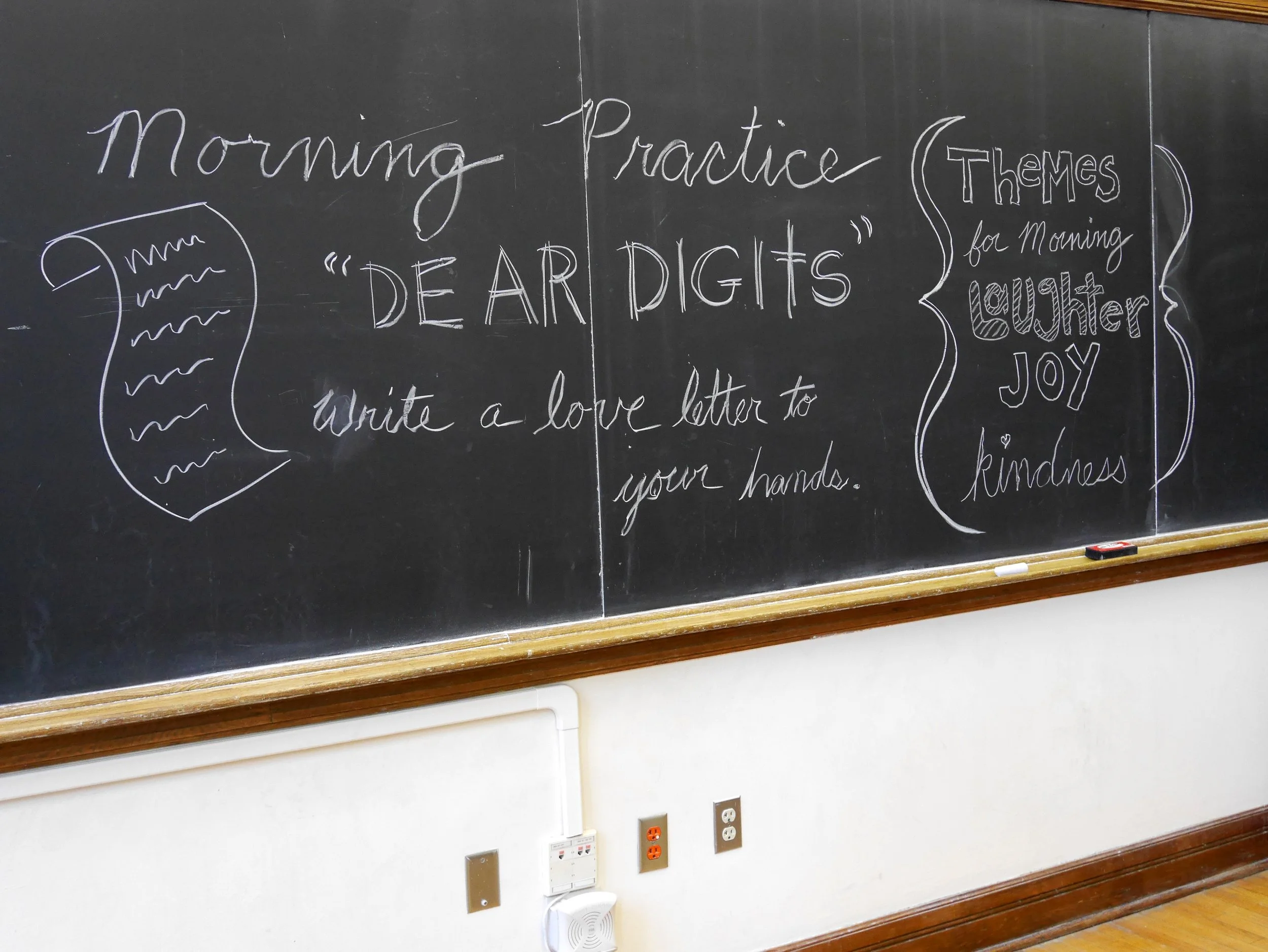
Embodied Practices Journaling Workshop
-
![]()
Embodied Practices Workshop
-
![]()
Embodied Practices Workshop
-
![]()
Embodied Practices Workshop
-
![]()
Embodied Practices Workshop
-
![]()
Embodied Practices Workshop
-
![]()
Yale Innovation Summit
-
![]()
Embodied Practices Workshop
-
![]()
Embodied Practices Workshop
-
![]()
Embodied Practices Workshop
-
![]()
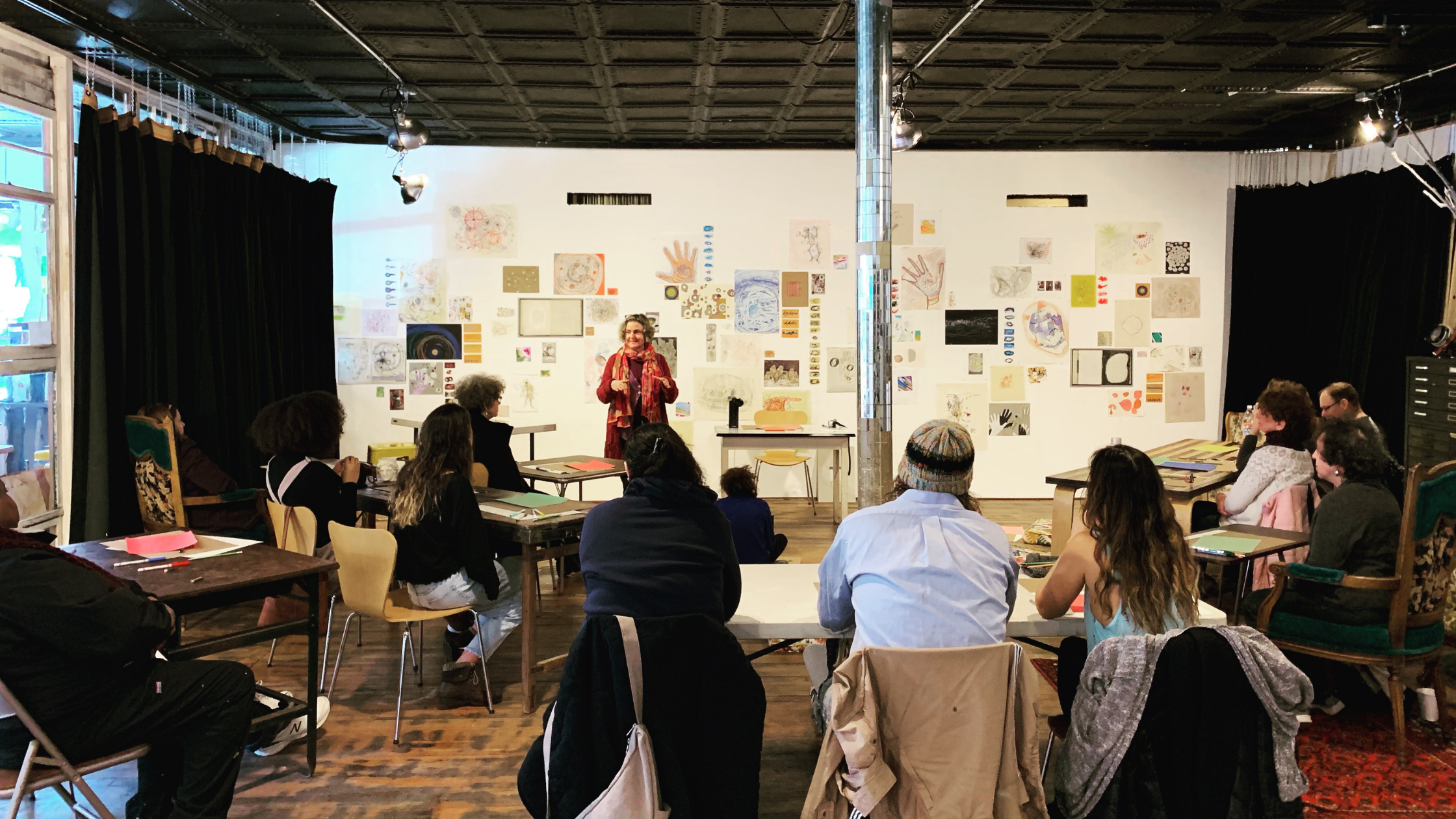
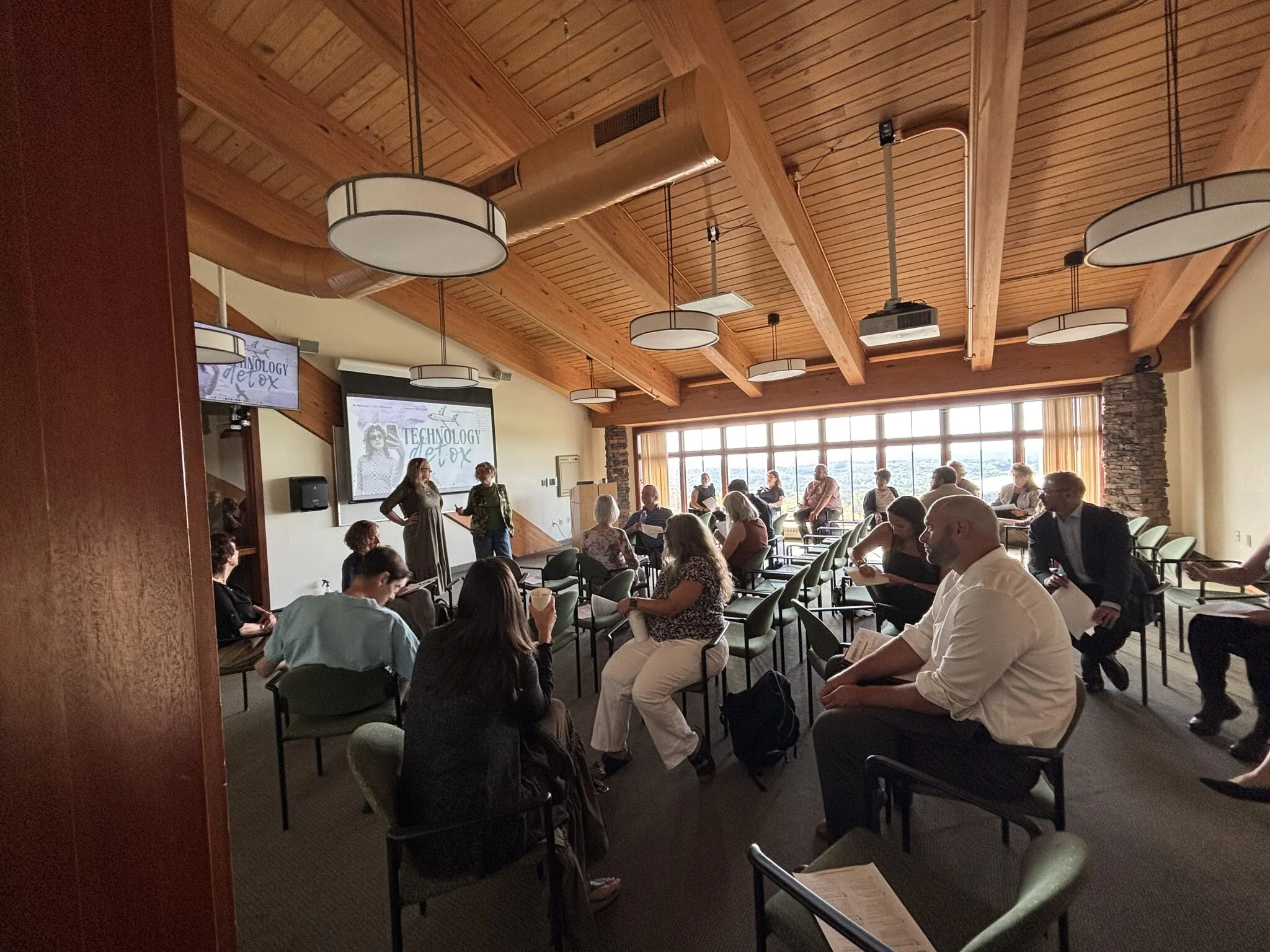
Tech Detox Faculty Workshop
-
![]()
Embodied Practices Workshop
-
![]()
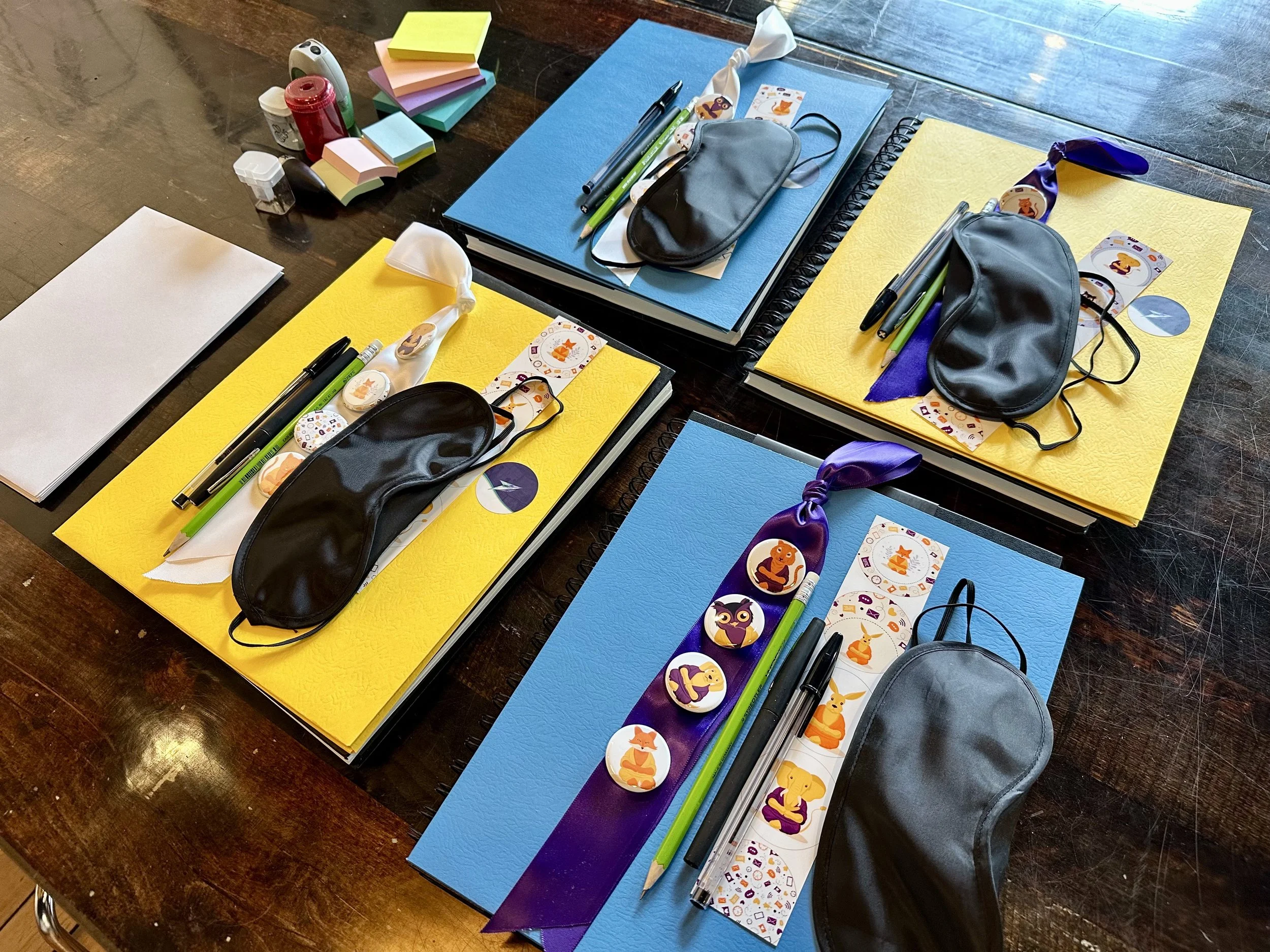
UNPLUG Full Day Retreat Materials
-
![]()
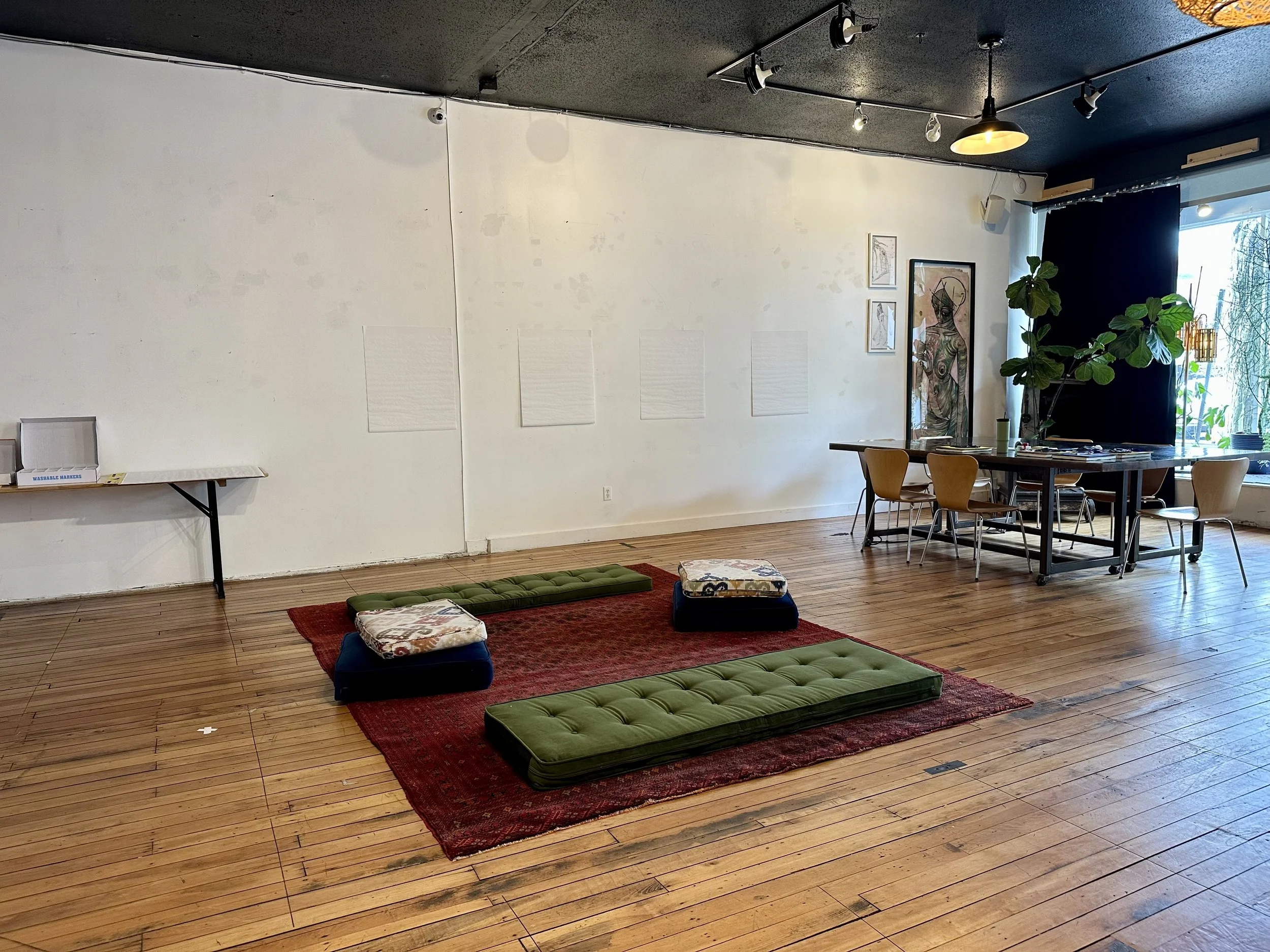
UNPLUG Retreat Venue
-
![]()
Technology Detox for Faculty




What participants say:

Frequently Asked Questions
-
📵 Expert in Digital Well-being & Focus Strategies: Helping people break free from tech overload
🧠 Science-Backed Approach: Grounded in neuroscience, mindfulness, and behavior design
🔥 Engaging, Interactive, & Actionable: More than theory. You’ll leave with a real plan
🚀 Custom-Tailored for Teams & Individuals: Designed to fit your digital habits & challenges
💡 Results-Driven Transformation: Helping people reclaim time, energy, and creativity -
Pattie Belle is a fierce advocate for human creativity, problem-solving, and innovation. She believes that every individual and team holds an untapped well of ingenuity—they just need the right tools and mindset to unlock it.
With decades of experience in creative strategy, facilitation, and Design Thinking, she is passionate about helping organizations break through stagnation, embrace uncertainty, and turn obstacles into opportunities.
Her mission? To empower leaders and teams to think differently, solve better, and create a future where innovation is not just a buzzword—but a way of working and thriving.
About Pattie Belle
-
Technology was designed to make us more connected, efficient, and productive—but today, constant notifications, digital overload, and screen addiction are costing businesses billions in lost productivity, engagement, and well-being.
📊 Harvard Business Review found that employees who manage digital distractions effectively are 47% more productive.
📊 Deloitte reports that digital overload contributes to $190 billion in lost productivity and $300 billion in stress-related health costs each year.
📊 A study by RescueTime found that the average employee spends 2.5 hours per day on distractions, costing businesses an estimated $10,375 per employee per year.What would a 10-20% increase in productivity, retention, and engagement mean for your company?
-
A Technology Detox helps organizations:
✅ Reduce digital distractions & reclaim focus: Increase deep work & meaningful output
✅ Improve employee well-being & engagement: Decrease stress, burnout & digital fatigue
✅ Boost productivity & efficiency: Eliminate wasted hours lost to mindless screen time
✅ Enhance work-life balance: Support healthier digital habits for teams and individuals
✅ Foster a culture of mindfulness & intentional tech use: Drive long-term behavior change🧘 The bottom line? Businesses that prioritize digital well-being create more engaged, focused, and high-performing teams—and see measurable gains in productivity, retention, and innovation.
-
😌 47% More Productivity → Reduce distractions & increase deep work time
😌 Lower Burnout & Stress → Create a healthier, happier workforce
😌 Faster, More Effective Communication → Eliminate wasted emails & unnecessary meetings
😌 Stronger Focus & Creativity → Help employees regain mental clarity & cognitive function
😌 Higher Retention & Engagement → Employees stay longer when they feel balanced & in control -
Absolutely! Each of these workshops can be delivered as a dynamic keynote or engaging talk, designed to inspire, educate, and spark action in your audience. Whether it’s a conference, corporate event, leadership retreat, or team offsite, Pattie Belle delivers high-energy, thought-provoking presentations that blend storytelling, audience interaction, and practical strategies to create immediate impact. Keynotes can range from 30 to 90 minutes and can be customized to fit your event’s theme, audience, and goals. If you’re looking for a memorable, insightful, and transformative talk, let’s craft the perfect experience for your group!
About PB’s Workshops
-
It’s simple!
📅 Step 1: Schedule a quick discovery call → Book Here
📩 Step 2: Email your request & questions → pattiebelle@mindfulmarks.com
🚀 Step 3: Customize, confirm, and get ready for a transformational session! -
Let’s talk! Send me an email ASAP! → pattiebelle@mindfulmarks.com
Booking Pattie Belle
Previous Clients, Speaking, Workshops, & Funders: